
Introduction
Exploring Rome historical sites is like stepping into a living history book. From colossal ancient ruins to hidden gems that whisper tales of emperors and artisans, this guide offers everything you need to wander through the Eternal City with purpose—and awe.
What You’ll Discover
In this Rome history guide, you’ll find:
-
Top ancient Rome attractions and must-see historical sites Rome
-
Smart tips to explore without the crowds
-
Hidden gems beyond the usual tourist trail
-
Practical info for planning a memorable visit to historic sites in Rome
Ultimate Guide to Paris: Insider Tips for First-Time Travelers
Top Historical Landmarks in Rome
1. The Colosseum
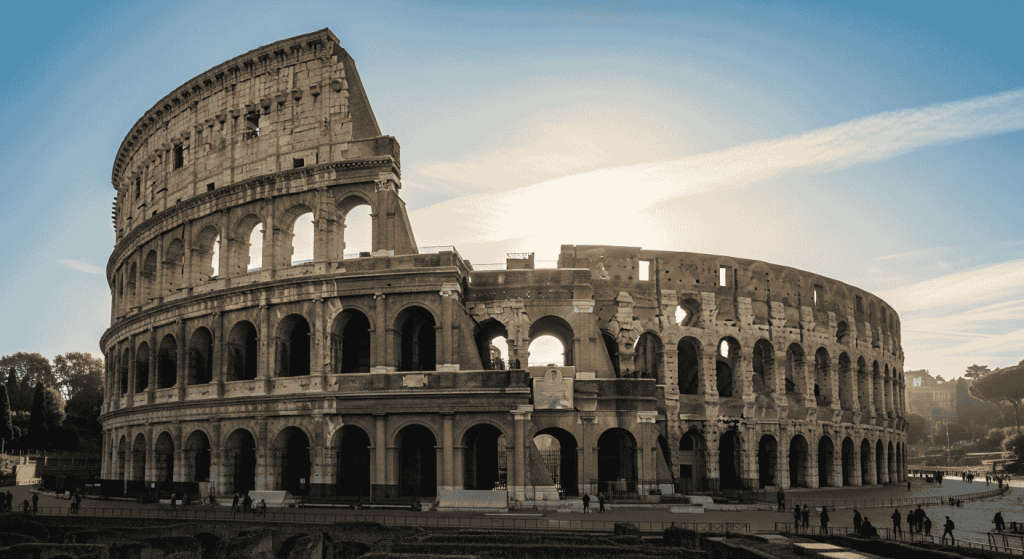
A true staple among ancient Rome attractions, the Colosseum stands as a grand symbol of Rome’s ancient spectacle. Built between AD 70–80, it once hosted gladiator matches, mock naval battles, and public spectacles. Even today, its echoes of grandeur captivate millions.
2. Roman Forum & Palatine Hill
Adjacent and intertwined, the Forum was Rome’s political heart, while Palatine Hill boasts palaces and myths of Romulus and Remus. Together, they offer rich context into the city’s origins and imperial power.
3. Pantheon
One of the best-preserved historic sites in Rome, the Pantheon amazes with its vast dome and oculus. Originally built around 25 BC and rebuilt by Hadrian, it’s a marvel of ancient engineering and spiritual continuity.
4. Vatican Museums & Sistine Chapel
While technically in Vatican City, these are major highlights of Rome historical sites. Housing priceless art—including Michelangelo’s Sistine Chapel ceiling—they blend spiritual reverence with artistic brilliance.
5. St. Peter’s Basilica
A Renaissance masterpiece and spiritual icon, this basilica is part of the Vatican ensemble and one of the most visited landmarks in Rome.
Ultimate Guide to Edinburgh for First-Time Visitors
6. Baths of Caracalla
These grand public baths built in the 3rd century CE showcase everyday life and luxury in ancient Rome—big, social, and mesmerizing in ruin.
7. Castel Sant’Angelo
Originally a mausoleum for Emperor Hadrian, this fortress and museum stretches from ancient art to medieval might—a layered piece of Rome’s history.
8. Trevi Fountain & Piazza Navona
Iconic symbols of must-see historical sites Rome, the Trevi Fountain (Baroque masterpiece) and Piazza Navona (Renaissance square) add romantic and architectural flair to ancient history.
9. Ostia Antica
On Rome’s outskirts lies this extraordinary archaeological park—once a flourishing port city, now a sprawling canvas of daily life in antiquity.
12 Common Grammar Mistakes in English and How to Avoid Them
Tips to Avoid the Crowds
Insider travel tips from local guides recommend:
-
Visit Vatican Museums or Colosseum in the afternoon or evening, often less crowded than early mornings.
-
Go to Trevi Fountain and Piazza Navona early (before 9 a.m.)—perfect for quiet and photogenic moments.
-
Opt for mid-week visits, as weekends are notably busier at major sites.
Hidden Gems & Local Favorites
Beyond the usual, consider these lesser-known treasures:
-
Knights of Malta Keyhole — quiet, playful view through a keyhole framing St. Peter’s Basilica.
-
Capuchin Crypt, Domus Aurea, Mamertine Prison, and Ostia Antica offer off-beat routes into Rome’s past.
Quick Comparison Table
| Site | Why Visit |
|---|---|
| Colosseum | Iconic ancient amphitheater, unmatched scale |
| Roman Forum & Palatine Hill | Birthplace of Roman power and legend |
| Pantheon | Architectural marvel, near-perfect preservation |
| Vatican Museums & St. Peter’s | Art and spirituality in Renaissance grandeur |
| Baths of Caracalla | Lavish public life of ancient Rome |
| Castel Sant’Angelo | Historical layers from mausoleum to museum |
| Trevi Fountain & Piazza Navona | Romantic, art-rich urban spectacles |
| Ostia Antica | Vast, authentic glimpse of ancient city life |
How a Student Achieved Fluent English in One Year Without Moving Abroad
FAQ
1. What are the must-see historical sites in Rome?
The essentials include the Colosseum, Roman Forum, Palatine Hill, Pantheon, Vatican Museums, St. Peter’s Basilica, Baths of Caracalla, and Castel Sant’Angelo.
2. How can I visit the Colosseum without long lines?
Aim for afternoon or evening tours, or mid-week visits. Skip-the-line tickets help—though you still go through separate security lines.
3. Are there lesser-known historic sites in Rome worth visiting?
Yes—Ostia Antica, the Knights of Malta Keyhole, Capuchin Crypt, Domus Aurea, and Mamertine Prison offer fascinating, less-crowded experiences.


