
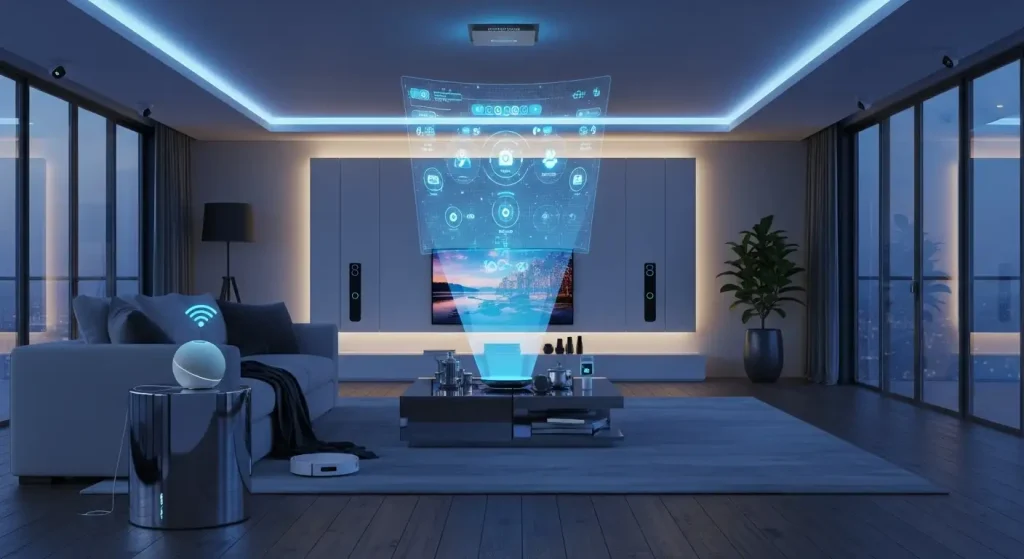
10 Amazing Smart Home 2025 Trends: IoT Revolution Explained
Smart home 2025 technology has evolved from convenient gadgets to essential living infrastructure. The latest smart home trends 2025 are transforming how we interact with our living spaces across the UK, US, and Europe. With the global smart home market reaching $174 billion and IoT trends 2025 accelerating rapidly, understanding these innovations is crucial for homeowners planning upgrades.
Today’s smart home technology delivers unprecedented convenience, security, and energy efficiency. From AI-powered assistants that anticipate your needs to energy systems that slash utility bills by 40%, the IoT smart home revolution is reshaping residential living in extraordinary ways.
How to Improve Cybersecurity in Everyday Life: Essential Protection Strategies
What’s Driving Smart Home 2025 Growth?
The explosive growth in smart home trends 2025 stems from several converging factors. Internet connectivity has become faster and more reliable, with 5G networks enabling seamless device communication. Artificial intelligence has matured dramatically, making smart home devices genuinely intelligent rather than merely programmable.
Key drivers of smart home 2025 adoption:
- 5G networks providing ultra-fast, low-latency connectivity
- AI and machine learning enabling predictive automation
- Energy costs rising 35% since 2022, driving efficiency demand
- Enhanced cybersecurity making IoT devices safer
- Declining hardware costs making technology accessible
Over 68% of UK households now own at least one smart home device, while US adoption has reached 72%. European markets are experiencing 25% annual growth as smart home technology becomes more affordable and user-friendly.
10 Revolutionary Smart Home Trends 2025
1. AI-Powered Predictive Automation
The most transformative IoT trends 2025 involve artificial intelligence that learns your habits and anticipates needs. Modern smart home systems don’t just respond to commands—they predict what you’ll want before you ask.
AI smart home capabilities include:
- Learning your daily routines and adjusting automatically
- Predicting when you’ll arrive home to pre-heat or cool rooms
- Adjusting lighting based on time of day and activities
- Ordering groceries when supplies run low
- Scheduling appliance maintenance before breakdowns occur
Google Nest and Amazon Alexa have introduced advanced AI algorithms that reduce energy consumption by 30% through predictive temperature control. These smart home innovations analyze weather forecasts, occupancy patterns, and personal preferences to optimize comfort while minimizing costs.
Apple HomeKit’s adaptive automation learns which scenes you prefer for different situations, activating them automatically. This intelligent home automation eliminates the need for manual adjustments, making smart home 2025 technology truly seamless.
FemTech Innovations: Women’s Health Tech Future
2. Matter Protocol: Universal Device Compatibility
The Matter protocol represents a game-changing development in smart home trends 2025. This universal standard enables devices from different manufacturers to communicate effortlessly, ending the frustration of incompatible ecosystems.
Matter protocol benefits:
- Works with Apple HomeKit, Google Home, Amazon Alexa, and Samsung SmartThings
- Simplifies setup with one-tap device pairing
- Ensures local operation even without internet connectivity
- Enhances security through encrypted communication
- Future-proofs your smart home investments
Over 500 smart home devices now support Matter, with major manufacturers committing to universal compatibility. This IoT smart home standardization means you’re no longer locked into a single ecosystem, providing freedom to choose the best devices regardless of brand.
The Matter protocol has reduced smart home setup time from 30 minutes per device to under 2 minutes, making smart home technology accessible to non-technical users.
3. Energy Management and Sustainability
Energy-efficient smart homes have become essential as utility costs soar. The latest smart home 2025 systems incorporate sophisticated energy monitoring and optimization that can reduce electricity bills by 40%.
Revolutionary energy management features:
- Real-time energy consumption tracking for every device
- AI-optimized heating and cooling schedules
- Solar panel integration with intelligent battery storage
- Grid-responsive pricing that shifts usage to off-peak hours
- Carbon footprint tracking and reduction recommendations
British Gas and Octopus Energy now offer smart home tariffs that integrate directly with home automation systems. These IoT trends 2025 enable dynamic pricing where your smart home automatically reduces consumption during peak-rate periods.
Smart thermostats like Nest Learning Thermostat and Ecobee SmartThermostat have saved UK households an average of £320 annually. When combined with smart plugs monitoring standby power consumption, total savings can exceed £500 per year.
Tesla Powerwall and similar battery systems integrated with smart home technology allow households to store cheap off-peak electricity or solar energy, using it during expensive peak hours. This intelligent energy arbitrage is transforming how we think about home power consumption.
Virtual Reality Travel Experiences: Exploring the Metaverse for Tourists
4. Advanced Home Security with AI Recognition
Smart home security has evolved dramatically with facial recognition, behavior analysis, and AI-powered threat detection. Modern security systems don’t just record—they analyze, recognize, and respond intelligently to potential threats.
Cutting-edge smart home security features:
- Facial recognition distinguishing family members from strangers
- Package detection preventing porch piracy
- Abnormal activity alerts identifying unusual behavior patterns
- Integration with emergency services for rapid response
- Privacy zones ensuring cameras respect personal spaces
Ring, Arlo, and Google Nest cameras now feature AI that can differentiate between delivery drivers, pets, and potential intruders. These smart home innovations reduce false alarms by 85% while providing genuine security alerts when needed.
Smart locks with biometric authentication have become standard in smart home 2025 installations. Products like August Smart Lock and Yale Assure Lock allow keyless entry through fingerprints, facial recognition, or smartphone proximity, eliminating lost key concerns.
Video doorbells with two-way communication enable homeowners to interact with visitors remotely, accepting deliveries or deterring suspicious activity from anywhere in the world.
5. Health and Wellness Monitoring
IoT smart home technology now extends to comprehensive health monitoring. Sensors throughout your home track air quality, sleep patterns, and even early warning signs of health issues.
Smart home health monitoring includes:
- Air quality sensors detecting pollutants, allergens, and CO2 levels
- Sleep tracking systems optimizing bedroom environment
- Fall detection for elderly residents with automatic emergency alerts
- Medication reminders integrated with smart displays
- Circadian lighting supporting natural sleep-wake cycles
Top 10 Next-Gen Wearable Gadgets for Fitness and Health in 2025
Awair and uHoo air quality monitors integrate with HVAC systems to automatically improve indoor air quality. Studies show that optimized air quality improves sleep quality by 28% and reduces respiratory issues.
Withings Sleep Analyzer and similar devices track sleep patterns without wearables, automatically adjusting temperature, lighting, and sound to optimize rest. These smart home trends 2025 are particularly valuable for families with young children or elderly relatives.
6. Voice and Gesture Control Evolution
Voice control has evolved beyond simple commands to natural conversation. The latest IoT trends 2025 include gesture recognition and ambient computing where technology responds to your presence and movements.
Advanced control methods:
- Natural language processing understanding context and intent
- Multi-language support with real-time translation
- Gesture control for touchless appliance operation
- Presence detection activating appropriate scenes automatically
- Emotion recognition adjusting ambiance based on mood
Amazon Alexa and Google Assistant now support conversational follow-ups, remembering context across multiple interactions. You can have natural dialogues rather than repeating wake words for each command.
Samsung’s gesture-controlled appliances allow you to operate ovens, washing machines, and TVs with hand movements—perfect when your hands are dirty or full. This touchless smart home technology gained popularity during health concerns and has become a permanent feature.
Natural Remedies for Seasonal Allergies: What Works?
7. Smart Kitchen Revolution
The kitchen has become the heart of smart home 2025 innovation. Connected appliances now coordinate with each other, creating truly intelligent cooking environments.
Smart kitchen breakthroughs:
- Refrigerators tracking expiration dates and suggesting recipes
- Ovens with internal cameras monitoring cooking progress
- Dishwashers ordering detergent automatically
- Coffee makers brewing your perfect cup as you wake
- Countertop displays showing recipe instructions and timers
Samsung Family Hub refrigerators feature internal cameras letting you check contents while shopping. AI suggests recipes based on available ingredients and dietary preferences, reducing food waste by 30%.
June Intelligent Oven uses computer vision to identify food and adjust cooking settings automatically. It can distinguish between a whole chicken and chicken breasts, applying appropriate time and temperature without manual input.
Connected cooking ecosystems from brands like Bosch and Miele enable appliances to communicate. Your oven can tell your range hood to increase ventilation when detecting smoke or steam, creating coordinated kitchen automation.
8. Integrated Entertainment Systems
Home entertainment has transformed through smart home technology integration. Modern systems provide cinema-quality experiences with voice control and intelligent scene management.
Smart entertainment features:
- Voice-controlled multi-room audio systems
- Automatic lighting scenes for movie watching
- Streaming service integration across all devices
- AI-curated content recommendations
- Immersive sound systems adapting to room acoustics
Sonos and Bose smart speakers create synchronized whole-home audio, following you from room to room. These systems integrate with streaming services, learning your music preferences and creating personalized playlists.
Smart TVs now incorporate ambient computing, automatically adjusting picture quality based on room lighting and content type. Samsung and LG displays optimize contrast, brightness, and color temperature for ideal viewing without manual calibration.
Home cinema automation triggers comprehensive scenes—dimming lights, closing blinds, adjusting temperature, and activating surround sound with a single voice command or scheduled routine.
Sleep Hygiene: Tips for Falling Asleep Faster
9. Pet Care Automation
Pet owners benefit enormously from IoT trends 2025 focused on animal care. Automated feeding, monitoring, and entertainment keep pets happy when you’re away.
Smart pet care innovations:
- Automated feeders dispensing precise portions on schedule
- Pet cameras with treat dispensers and two-way audio
- Smart litter boxes monitoring health indicators
- GPS tracking collars preventing pet loss
- Interactive toys activated remotely
Petcube and Furbo cameras allow you to check on pets remotely, dispensing treats and providing reassurance through two-way audio. These devices reduce pet separation anxiety and give owners peace of mind.
Litter-Robot’s self-cleaning litter boxes track usage patterns, alerting you to potential health issues like increased frequency that might indicate urinary problems. This preventive monitoring can catch illnesses early.
Whistle GPS collars use IoT connectivity to track pet location in real-time, creating virtual boundaries that alert you if your pet wanders beyond safe areas.
Stress Management Techniques for a Busy Lifestyle
10. Elderly Care and Accessibility
Smart home 2025 technology provides crucial support for aging-in-place and accessibility needs. These compassionate innovations enable independence while ensuring safety.
Assistive smart home features:
- Fall detection sensors automatically contacting emergency services
- Medication management systems with reminder alerts
- Voice-controlled everything reducing physical demands
- Remote monitoring for family caregivers
- Emergency response systems integrated throughout the home
K4Connect and similar platforms create comprehensive elderly care environments. Motion sensors detect abnormal patterns like extended bathroom stays or unusual nighttime activity, alerting family members to potential issues.
Voice assistants provide companionship and cognitive stimulation through conversations, reminders, and entertainment. For individuals with mobility challenges, voice control of lights, locks, thermostats, and appliances maintains independence.
Telehealth integration enables video consultations with healthcare providers directly through smart displays, reducing the burden of medical appointments while maintaining care quality.
Implementation: Building Your Smart Home 2025
Starting with smart home technology can feel overwhelming, but a phased approach ensures success. Begin with high-impact devices delivering immediate benefits before expanding to comprehensive automation.
Smart home implementation strategy:
- Start with smart lighting using Philips Hue or LIFX for instant ambiance control
- Add a smart thermostat like Nest or Ecobee for energy savings
- Install smart security with cameras and smart locks for peace of mind
- Choose your ecosystem (Alexa, Google, Apple) based on existing devices
- Expand gradually adding devices as you identify needs
Ensure your home network can handle increased device load. Mesh Wi-Fi systems from Eero, Google Nest WiFi, or Netgear Orbi provide reliable coverage throughout large homes, essential for IoT smart home stability.
Consider professional installation for complex systems like whole-home automation or integrated security. While DIY installation works for individual devices, comprehensive smart home 2025 systems benefit from expert configuration ensuring optimal performance.
Low-Impact Home Workouts for Seniors: A Complete Guide to Safe and Effective Exercise
Privacy and Security Considerations
As smart home trends 2025 proliferate, privacy and security become paramount. Connected devices collect significant personal data, requiring careful vendor selection and configuration.
Essential smart home security practices:
- Use strong, unique passwords for every device
- Enable two-factor authentication on all accounts
- Regular firmware updates patching security vulnerabilities
- Separate IoT devices on dedicated network segments
- Review privacy policies understanding data collection
Choose manufacturers with strong security reputations like Apple, Google, and established brands that prioritize user privacy. Avoid unknown cheap devices often lacking basic security measures.
The Matter protocol includes robust encryption by default, making certified devices inherently more secure than proprietary alternatives. When purchasing new smart home technology, prioritize Matter-compatible products.
The Future of Smart Home Technology
Looking beyond 2025, smart home technology will become even more predictive, personalized, and invisible. Future IoT trends include holographic interfaces, emotion-responsive environments, and homes that actively contribute to your wellbeing.
Emerging smart home innovations:
- Brain-computer interfaces for thought-controlled homes
- Advanced robotics handling household chores autonomously
- Self-healing systems detecting and repairing issues automatically
- Community-scale energy sharing and optimization
- Fully immersive mixed reality home environments
The line between physical and digital home environments will blur as augmented reality becomes mainstream. Your smart home 2025 investments lay the foundation for these revolutionary capabilities.
Budgeting Tips for Young Adults: Achieve Your First Savings Goal
Conclusion: Embracing the Smart Home 2025 Revolution
Smart home trends 2025 represent more than technological novelty—they fundamentally improve quality of life. From dramatic energy savings to enhanced security, health monitoring to entertainment excellence, IoT smart home technology delivers tangible benefits justifying investment.
The key is starting thoughtfully, choosing reliable ecosystems, and expanding gradually as you discover which smart home technology best serves your lifestyle. Whether you prioritize sustainability, security, convenience, or all three, today’s smart home devices offer solutions tailored to your needs.
As prices continue declining and capabilities expand, smart home 2025 technology is transitioning from luxury to necessity. The homes being built and renovated today incorporate connected infrastructure as standard, recognizing that intelligent automation is the future of comfortable, efficient living.
The IoT smart home revolution isn’t coming—it’s here, transforming houses into responsive, intelligent environments that adapt to our needs, conserve resources, and enhance daily life in remarkable ways.