
Introduction
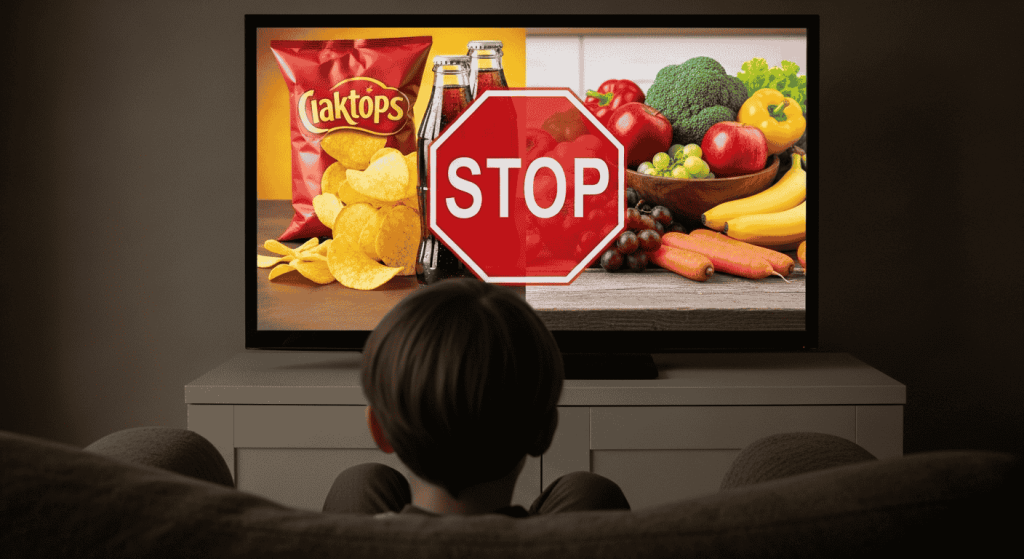
The debate over junk food ads targeting children is heating up as childhood obesity rates continue to climb. Many experts argue that government regulation—like a ban on junk food ads—could protect children’s health. This post examines the evidence, global examples, and policy options to help answer: should governments outlaw unhealthy food marketing to kids?
Why Ban Junk Food Ads for Kids?
-
Exposure to unhealthy food ads directly influences kids’ eating habits and preferences
-
A UK study found that just five minutes of junk food marketing can increase young viewers’ calorie intake by over 130 extra calories Parents overwhelmingly support restrictions—85% in Australia expressed concern and over 60% favored limiting junk food ads to kids .
Why I Think the Keto Diet Is Overrated
Global Efforts and Government Regulation
United Kingdom
From October 2025, the UK is banning junk food ads on TV before 9 pm and all paid online ads aimed at kids. This is projected to prevent around 20,000 cases of childhood obesity . Yet loopholes persist, such as brand-only marketing and outdoor ads.
Chile’s Bold Approach
Since 2016, Chile has led with comprehensive junk food marketing restrictions, warning labels, and banning cartoon mascots like Tony the Tiger. These efforts resulted in a 73% reduction in children’s exposure and sharp drops in sugary purchases .
Australia (South Australia)
Starting July, South Australia banned unhealthy food ads on public transport. Critics argue the rules are too broad, but public health advocates support the move as a strong step in curbing childhood obesity .
Is Social Media Doing More Harm Than Good?
What Research Says
-
A market study found that banning junk food ads reduces sales of chips by ~10–15%, while making healthier choices more competitive .
-
Public health scholars stress that partial bans (e.g., only children’s TV) aren’t enough—comprehensive rules across platforms are needed.
-
The World Health Organization labels junk food marketing to kids a serious public health threat and urges stronger legal protections.
Summary Table
| Benefit of Ban Junk Food Ads | Global Example or Insight |
|---|---|
| Reduces calorie intake in children | UK study—+130 calories after 5 min of ads |
| Substantial drop in unhealthy purchases | Chile—73% ad exposure reduction |
| Broad public and parental support | Australia: >60% support ads bans |
| Effective at lowering junk food consumption | Market study—sales decline ~10–15% |
| WHO endorses strong regulation | WHO: “public health threat” |
FAQ
1. Do junk food ads actually affect children’s eating habits?
Yes — even short exposure to junk food marketing significantly increases calorie intake and shapes unhealthy preferences .
2. Are advertising bans effective?
Evidence from Chile, the UK, and Australia shows bans reduce exposure, lower unhealthy purchases, and can help curb childhood obesity .
3. Why is government regulation needed rather than trusting parents?
Children lack the capacity to critically assess commercials—a fact supported by the WHO and consumer behavior research—making regulation essential for protecting children’s health


