
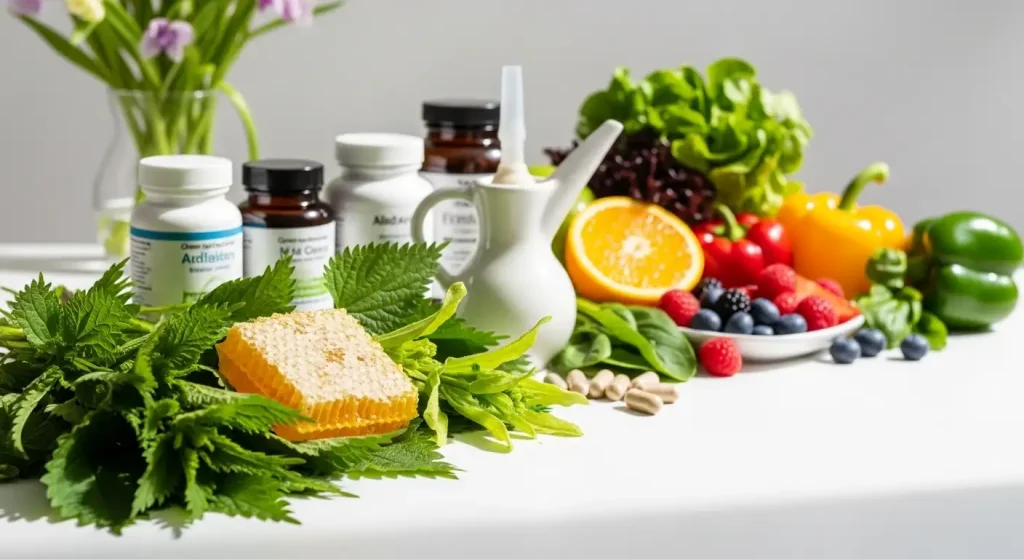
Sneezing, itchy eyes, runny nose, and constant congestion—seasonal allergies affect over 50 million Americans every year. While over-the-counter medications can help, many people are seeking natural remedies for seasonal allergies that address symptoms without unwanted side effects.
The good news is that numerous natural allergy treatments have been studied and proven effective. From powerful herbs to simple lifestyle changes, these remedies can help you breathe easier and enjoy the outdoors again without relying solely on medications.
In this comprehensive guide, you’ll discover evidence-based natural remedies for seasonal allergies that actually work, backed by scientific research and centuries of traditional use.
10 Morning Yoga Poses to Reduce Back Pain: Start Your Day Pain-Free
Understanding Seasonal Allergies: Why They Happen
Before exploring solutions, it’s important to understand what causes seasonal allergy symptoms. When your immune system overreacts to harmless substances like pollen, mold spores, or grass, it releases histamine and other chemicals that trigger inflammation.
Common seasonal allergy symptoms include:
- Sneezing and congestion
- Itchy, watery eyes
- Runny or stuffy nose
- Scratchy throat
- Fatigue and brain fog
- Sinus pressure and headaches
These symptoms typically peak during spring, summer, and fall when pollen counts are highest. The key to finding seasonal allergy relief is addressing both the immune response and inflammation naturally.
Top Natural Remedies for Seasonal Allergies
1. Quercetin: Nature’s Antihistamine
Quercetin is a powerful flavonoid found in onions, apples, berries, and green tea. Research shows it acts as a natural antihistamine by stabilizing mast cells and preventing them from releasing histamine.
How to use it:
- Take 500-1000mg daily, starting 4-6 weeks before allergy season
- Consume quercetin-rich foods like red onions, citrus fruits, and broccoli
- Pair with vitamin C for enhanced absorption
Benefits: Reduces sneezing, nasal congestion, and eye irritation without drowsiness.
2. Stinging Nettle for Allergy Relief
Stinging nettle (Urtica dioica) is one of the most effective herbs for allergies. Studies demonstrate it can reduce inflammation in nasal passages and block histamine receptors naturally.
How to use it:
- Drink 2-3 cups of nettle tea daily during allergy season
- Take 300mg freeze-dried nettle capsules twice daily
- Start treatment before symptoms appear for best results
Benefits: Provides rapid relief from sneezing, itching, and congestion.
Parenting Tips & Child Development: Your Complete Guide to Raising Confident Kids
3. Local Honey: Sweet Seasonal Allergy Relief
While research is mixed, many people find relief using local honey as a natural allergy treatment. The theory suggests that consuming small amounts of local pollen in honey helps desensitize your immune system.
How to use it:
- Eat 1-2 tablespoons of raw, local honey daily
- Start several months before allergy season
- Look for honey produced within 50 miles of your location
Benefits: May reduce pollen sensitivity and provide immune support.
4. Butterbur Extract
Butterbur (Petasites hybridus) has shown impressive results in clinical studies for treating allergic rhinitis. Some research suggests it may be as effective as conventional antihistamines.
How to use it:
- Take 50-75mg of PA-free butterbur extract twice daily
- Always choose certified PA-free supplements to avoid liver toxicity
- Consult a healthcare provider before starting
Benefits: Reduces nasal inflammation and improves breathing without sedation.
5. Probiotics for Immune Balance
Your gut health directly impacts your immune response. Probiotics can help modulate immune function and reduce the severity of seasonal allergy symptoms.
How to use it:
- Take a high-quality probiotic with at least 10 billion CFUs daily
- Focus on strains like Lactobacillus and Bifidobacterium
- Eat fermented foods like yogurt, kefir, sauerkraut, and kimchi
Benefits: Strengthens immune system and reduces inflammatory response to allergens.
6. Vitamin C: Powerful Allergy Fighter
Vitamin C is a natural antihistamine and antioxidant that can lower histamine levels in your blood and reduce allergy symptoms.
How to use it:
- Take 1000-2000mg daily in divided doses
- Eat vitamin C-rich foods like citrus fruits, bell peppers, and strawberries
- Combine with bioflavonoids for enhanced effectiveness
Benefits: Reduces histamine production and supports overall immune health.
Diet-Specific Cooking: Master Vegan and Gluten-Free Recipes with Confidence
7. Nasal Saline Irrigation
One of the most effective home remedies for allergies is nasal rinsing with saline solution. This simple practice flushes out allergens and reduces inflammation.
How to use it:
- Use a neti pot or squeeze bottle with sterile saline solution
- Rinse nasal passages 1-2 times daily during allergy season
- Always use distilled or previously boiled water
Benefits: Immediately clears pollen, reduces congestion, and prevents sinus infections.
8. Omega-3 Fatty Acids
The anti-inflammatory properties of omega-3s can help reduce allergic responses and calm inflammation in airways.
How to use it:
- Take 1000-2000mg of fish oil or algae oil daily
- Eat fatty fish like salmon, mackerel, and sardines twice weekly
- Consider flaxseeds and chia seeds for plant-based omega-3s
Benefits: Reduces inflammation and supports respiratory health.
Healthy & Quick Recipes: Your Guide to Delicious Meals in Minutes
Lifestyle Changes for Natural Allergy Treatment
Beyond supplements and herbs, certain lifestyle modifications can significantly improve seasonal allergy relief:
| Strategy | How It Helps | Implementation |
|---|---|---|
| Air purification | Removes airborne allergens | Use HEPA filters in bedrooms |
| Shower before bed | Removes pollen from hair and skin | Rinse off after outdoor activities |
| Close windows | Keeps outdoor allergens outside | Use AC during high pollen days |
| Reduce stress | Lowers histamine response | Practice meditation or yoga |
| Stay hydrated | Thins mucus and reduces congestion | Drink 8-10 glasses of water daily |
Foods That Fight Seasonal Allergies
Your diet plays a crucial role in managing allergy symptoms. These anti-inflammatory foods provide natural allergy relief:
Include more:
- Leafy greens (spinach, kale, collards)
- Fatty fish (salmon, sardines, mackerel)
- Berries (blueberries, strawberries, blackberries)
- Turmeric and ginger
- Green tea
- Garlic and onions
Avoid or limit:
- Dairy products (may increase mucus production)
- Refined sugars (promote inflammation)
- Processed foods (contain inflammatory additives)
- Alcohol (increases histamine levels)
Beauty & Skincare Routines: Your Ultimate Guide to Radiant, Healthy Skin
Essential Oils for Allergy Symptoms
Certain essential oils offer gentle relief from seasonal allergy symptoms when used properly:
- Peppermint oil: Opens airways and reduces congestion
- Eucalyptus oil: Provides antimicrobial and anti-inflammatory benefits
- Lavender oil: Reduces inflammation and promotes relaxation
- Tea tree oil: Offers antihistamine properties
Safe usage: Diffuse oils in your home, add to steam inhalation, or dilute with carrier oil for topical application. Never ingest essential oils without professional guidance.
Creating Your Natural Allergy Relief Protocol
For maximum effectiveness, combine multiple natural remedies for seasonal allergies:
- Start early: Begin treatment 4-6 weeks before your typical allergy season
- Layer approaches: Use supplements, dietary changes, and lifestyle modifications together
- Track symptoms: Keep a journal to identify what works best for you
- Be consistent: Natural remedies work best with regular, long-term use
- Consult professionals: Work with a naturopathic doctor or allergist for personalized guidance
Indoor Gardening & Houseplants: Your Complete Guide to Growing a Thriving Indoor Garden in 2025
When to Seek Medical Help
While natural allergy treatment is effective for many people, certain situations require professional medical attention:
- Severe breathing difficulties or wheezing
- Symptoms that significantly impact daily life
- Allergy symptoms lasting more than two weeks
- Signs of sinus infection (fever, green discharge)
- Asthma symptoms triggered by allergies
Always consult with a healthcare provider before starting new supplements, especially if you take medications or have underlying health conditions.
Frequently Asked Questions
Q: How long does it take for natural remedies for seasonal allergies to work?
A: The timeline varies depending on the remedy. Some natural allergy treatments like nasal saline rinses provide immediate relief, while others like quercetin and probiotics work best when started 4-6 weeks before allergy season. Herbs like stinging nettle typically show results within 1-2 weeks of consistent use. For optimal seasonal allergy relief, begin your natural protocol early and maintain consistency throughout allergy season.
Q: Can I use natural remedies for seasonal allergies alongside prescription medications?
A: Many natural allergy treatments can complement conventional medications, but it’s essential to consult your healthcare provider first. Some herbs and supplements may interact with antihistamines or other allergy medications. For example, butterbur should never be combined with certain medications, and vitamin C in high doses may affect some prescription drugs. Always disclose all supplements and home remedies for allergies you’re using to your doctor.
Ultimate Budget & Backpacking Travel Guide 2025: Travel More for Less
Q: Are natural remedies for seasonal allergies safe for children?
A: Some natural allergy treatments are safe for children, while others require caution. Nasal saline irrigation, local honey (for children over one year), and dietary changes are generally safe options. However, herbal supplements like butterbur and stinging nettle should only be given to children under professional supervision. Probiotics and vitamin C are typically safe in age-appropriate doses. Always consult a pediatrician before starting any new treatment for children’s seasonal allergy symptoms.
Q: Which natural remedy works fastest for immediate allergy relief?
A: For quick seasonal allergy relief, nasal saline irrigation provides the fastest results by physically removing allergens from nasal passages. Applying a cold compress to itchy eyes offers immediate comfort. Essential oils like peppermint or eucalyptus in steam inhalation can rapidly open airways. However, for sustained relief, herbs for allergies like stinging nettle or quercetin taken consistently provide better long-term results than quick fixes alone.
Q: Do natural remedies for seasonal allergies have side effects?
A: Natural allergy treatments generally have fewer side effects than conventional medications, but they’re not completely risk-free. Most herbs for allergies are well-tolerated, though some people may experience mild digestive upset from supplements. Butterbur must be PA-free to avoid liver damage. Essential oils can cause skin irritation if not properly diluted. Nasal irrigation with improperly prepared solution can lead to infections. Always follow dosage recommendations and choose high-quality supplements for safe, effective seasonal allergy relief.
The Complete Guide to Debt Management & Credit Repair
Take Control of Your Allergies Naturally Today
Living with seasonal allergies doesn’t mean accepting constant discomfort or relying solely on medications. These evidence-based natural remedies for seasonal allergies offer effective, safe alternatives that address the root causes of your symptoms.
Start by incorporating two or three of these natural allergy treatments into your daily routine. Track your symptoms, adjust as needed, and be patient—natural approaches work with your body’s healing processes rather than simply masking symptoms.
The combination of targeted supplements, dietary improvements, and smart lifestyle changes can dramatically reduce your allergy burden and help you enjoy every season to its fullest.