
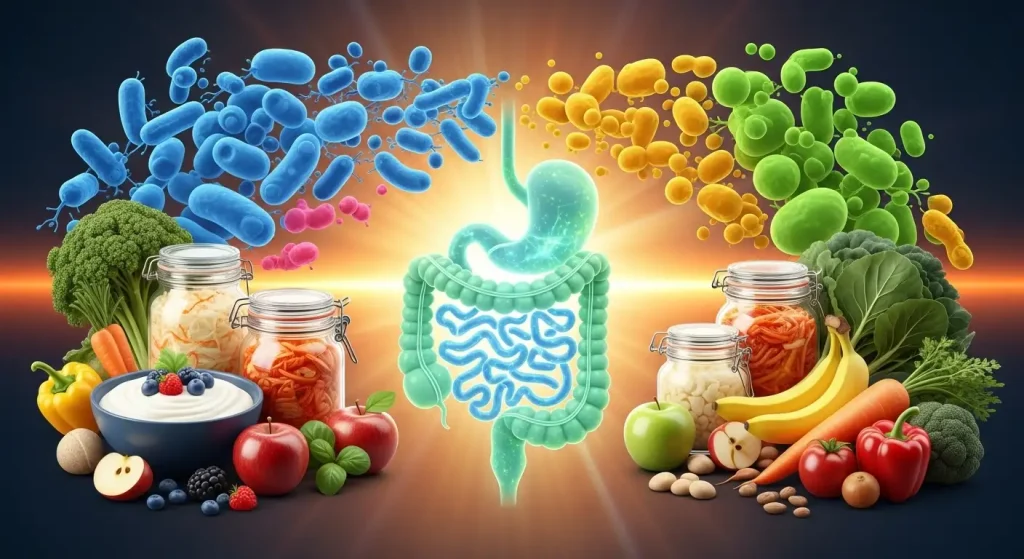
7 Powerful Gut Health Trends Transforming Wellness in 2025
Gut health has exploded into mainstream consciousness as the foundation of overall wellness. The gut health revolution is reshaping how we approach digestive wellness, with groundbreaking research revealing that our gut microbiome influences everything from mental health to immune function. With over 70% of our immune system residing in our digestive tract, understanding probiotics benefits and optimizing gut bacteria has become essential for anyone serious about long-term health.
This isn’t just another wellness fad. Scientific evidence overwhelmingly demonstrates that digestive wellness directly impacts mood, energy levels, weight management, and disease prevention. Let’s explore the transformative gut health tips and trends changing lives across the UK, US, and Europe.
Natural Remedies for Seasonal Allergies: What Works?
Why Gut Health Matters More Than Ever
Your gut microbiome contains trillions of microorganisms that influence virtually every bodily function. Recent research has elevated digestive wellness from a niche concern to a central pillar of preventive healthcare.
Critical gut health functions include:
- Producing 90% of your body’s serotonin (the “happiness hormone”)
- Training and regulating immune system responses
- Synthesizing essential vitamins like B12 and K2
- Protecting against harmful pathogens and toxins
- Influencing weight management and metabolism
Scientists now understand that gut bacteria communicate directly with your brain through the gut-brain axis, explaining why digestive issues often correlate with anxiety, depression, and cognitive problems. This revelation has transformed how healthcare professionals approach both physical and mental health conditions.
The global probiotics market has reached $58 billion, reflecting widespread recognition of gut microbiome importance. From functional foods to personalized supplements, consumers are actively seeking solutions for digestive wellness.
10 Amazing Smart Home 2025 Trends: IoT Revolution Explained
7 Revolutionary Gut Health Trends in 2025
1. Personalized Microbiome Testing and Analysis
The most significant advancement in gut health involves personalized microbiome testing. Companies like Viome, Zoe, and Thorne offer comprehensive analysis revealing your unique gut bacteria composition and providing tailored dietary recommendations.
Microbiome testing benefits:
- Identifying beneficial and harmful bacteria strains
- Revealing food sensitivities and intolerances
- Providing personalized probiotic recommendations
- Tracking improvements over time
- Understanding inflammation markers
These tests analyze stool samples to map your gut flora diversity. Higher diversity generally indicates better digestive wellness and overall health. Results guide specific dietary changes, showing which foods support or harm your unique microbiome.
UK’s King’s College London research demonstrates that personalized nutrition based on gut microbiome data improves health outcomes by 40% compared to generic dietary advice. This precision approach represents the future of digestive health optimization.
2. Postbiotics: Beyond Probiotics and Prebiotics
While probiotics benefits are well-established, postbiotics represent the cutting edge of gut health science. Postbiotics are beneficial compounds produced when probiotics digest prebiotic fibers—essentially the metabolites of bacterial fermentation.
Powerful postbiotic compounds include:
- Short-chain fatty acids (especially butyrate)
- Antimicrobial peptides protecting gut lining
- Enzymes supporting nutrient absorption
- Vitamins synthesized by gut bacteria
- Neurotransmitter precursors affecting mood
Butyrate, a key postbiotic, has shown remarkable benefits for gut inflammation reduction and intestinal barrier function. It’s becoming a standalone supplement, though naturally consuming fermented foods and fiber-rich diets produces it organically.
Research from Harvard Medical School confirms that postbiotic supplements provide probiotics benefits without refrigeration requirements or viability concerns, making them more stable and convenient than traditional probiotic supplements.
Revolutionary Quantum Computing 2025 Applications Explained
3. Fermented Foods Renaissance
Fermented foods for gut health have surged in popularity as consumers recognize their profound digestive wellness benefits. Traditional fermentation creates naturally occurring probiotics while enhancing nutrient bioavailability.
Trending fermented foods:
- Kimchi: Korean fermented vegetables rich in Lactobacillus bacteria
- Kefir: Fermented milk drink with diverse bacterial strains
- Kombucha: Fermented tea containing probiotics and organic acids
- Sauerkraut: Fermented cabbage supporting digestive health
- Miso: Japanese fermented soybean paste with enzymes
- Tempeh: Fermented soy protein with excellent gut bacteria
UK supermarkets report 150% growth in fermented food sales since 2022. These foods provide living cultures that colonize your gut microbiome, improving diversity and function naturally.
Regular consumption of fermented foods has been linked to reduced inflammation, improved digestion, better nutrient absorption, and enhanced immune function. Unlike supplements, whole fermented foods provide fiber, vitamins, and minerals alongside beneficial bacteria.
4. The Gut-Brain Connection and Mental Health
Understanding the gut-brain axis has revolutionized mental health treatment. Your gut bacteria produce neurotransmitters and send signals directly to your brain via the vagus nerve, profoundly influencing mood, anxiety, and cognitive function.
Gut-brain connection impacts:
- Depression: 90% of serotonin is produced in the gut
- Anxiety: Gut dysbiosis correlates strongly with anxiety disorders
- Cognitive function: Gut health affects memory and focus
- Stress response: Microbiome influences cortisol regulation
- Sleep quality: Gut bacteria affect melatonin production
Psychobiotics—specific probiotic strains targeting mental health—have emerged as a legitimate treatment approach. Lactobacillus and Bifidobacterium strains show particular promise for reducing anxiety and improving mood.
Studies from University College Cork demonstrate that improving gut health through diet and probiotics reduces depression symptoms by 30-40% in many patients. This has prompted psychiatrists to increasingly consider digestive wellness when treating mental health conditions.
Natural Remedies for Seasonal Allergies: What Works?
5. Anti-Inflammatory Gut Healing Protocols
Chronic gut inflammation underlies numerous health conditions, from irritable bowel syndrome to autoimmune diseases. Modern gut health tips emphasize anti-inflammatory approaches addressing root causes rather than merely managing symptoms.
Effective gut healing strategies:
- Elimination diets removing inflammatory triggers like gluten, dairy, and processed foods
- Bone broth providing collagen and amino acids that repair gut lining
- Omega-3 fatty acids from fish oil reducing intestinal inflammation
- L-glutamine supplementation supporting intestinal barrier integrity
- Polyphenol-rich foods like berries providing antioxidant protection
The “leaky gut” concept—technically increased intestinal permeability—has gained scientific validation. When gut barrier function deteriorates, undigested food particles and toxins enter the bloodstream, triggering systemic inflammation and immune reactions.
Healing protocols typically span 6-12 weeks, systematically removing inflammatory foods while introducing gut-supportive nutrients. UK functional medicine practitioners report 75% symptom improvement rates using comprehensive gut healing approaches.
6. Prebiotic Fiber Revolution
While probiotics benefits dominate discussions, prebiotic foods are equally crucial for digestive wellness. Prebiotics are non-digestible fibers that feed beneficial gut bacteria, promoting their growth and activity.
Top prebiotic foods for gut health:
- Garlic and onions: Rich in inulin and fructooligosaccharides
- Asparagus: High in inulin supporting Bifidobacteria growth
- Bananas (especially green): Containing resistant starch
- Oats: Providing beta-glucan fiber
- Chicory root: One of the richest prebiotic sources
- Jerusalem artichokes: Extremely high in prebiotic inulin
Most people consume only 5-10 grams of prebiotic fiber daily, far below the recommended 25-38 grams. Increasing prebiotic intake dramatically improves gut microbiome diversity within weeks.
Research from Stanford University shows that a high-fiber diet increases beneficial gut bacteria by 300% while reducing inflammatory markers. This represents one of the most powerful gut health tips for rapid improvement.
Gut Health: Best Foods for a Balanced Microbiome
7. Intermittent Fasting and Gut Rest
Intermittent fasting has emerged as a powerful tool for digestive wellness. Giving your gut regular breaks from digestion allows for cellular repair, reduces inflammation, and positively alters gut bacteria composition.
Gut health benefits of intermittent fasting:
- Enhances gut barrier function and reduces permeability
- Increases beneficial bacteria diversity
- Reduces harmful bacterial overgrowth
- Promotes autophagy (cellular cleanup) in intestinal cells
- Decreases systemic inflammation markers
The most popular approach involves 16-hour fasting windows with 8-hour eating periods. During fasting, the migrating motor complex—your gut’s self-cleaning mechanism—operates more efficiently, sweeping out bacteria and debris.
European research demonstrates that intermittent fasting improves gut microbiome health markers comparably to probiotic supplementation, making it a cost-free intervention with powerful digestive wellness benefits.
Planning for Retirement: Tips for Millennials
Practical Gut Health Tips for Daily Implementation
Transforming your gut health doesn’t require extreme measures. Simple, consistent habits produce remarkable results over time.
Essential daily gut health practices:
- Eat 30+ different plant foods weekly to maximize microbiome diversity
- Include fermented foods daily like yogurt, kefir, or sauerkraut
- Prioritize fiber intake from vegetables, fruits, legumes, and whole grains
- Stay hydrated with 2-3 liters of water supporting digestion
- Manage stress through meditation, exercise, or breathing practices
- Get adequate sleep allowing gut repair and regeneration
- Limit antibiotics to when absolutely necessary, protecting beneficial bacteria
- Reduce processed foods eliminating additives that harm gut microbiome
These gut health tips work synergistically. Implementing even three or four produces noticeable improvements in energy, digestion, and overall wellbeing within 2-4 weeks.
Healthy Breakfast Ideas to Support Weight Loss: 15 Delicious Options
Foods to Avoid for Optimal Digestive Wellness
Certain foods consistently damage gut health, promoting inflammation and harmful bacteria overgrowth. Minimizing these supports your gut microbiome optimization efforts.
Gut health disruptors to limit:
- Artificial sweeteners like aspartame altering gut bacteria composition
- Emulsifiers in processed foods damaging gut barrier function
- Excessive sugar feeding harmful bacteria and yeast
- Trans fats increasing inflammation throughout digestive system
- Alcohol disrupting gut flora balance and barrier integrity
- NSAIDs (ibuprofen, aspirin) when used chronically damaging gut lining
You don’t need perfection—the 80/20 principle applies. If 80% of your diet supports gut health, occasional indulgences won’t derail progress. Consistency matters more than perfection.
Gut Health Supplements: What Actually Works
The supplement industry offers countless products promising digestive wellness improvements. Evidence-based options with proven probiotics benefits include:
Research-backed gut health supplements:
- Multi-strain probiotics with 10+ billion CFUs containing Lactobacillus and Bifidobacterium
- Digestive enzymes supporting food breakdown and nutrient absorption
- L-glutamine healing intestinal lining and reducing permeability
- Zinc carnosine protecting stomach and intestinal mucosa
- Omega-3 fish oil providing anti-inflammatory EPA and DHA
- Vitamin D3 supporting immune function and gut barrier health
Quality matters tremendously. Choose supplements from reputable brands with third-party testing certification. Refrigerated probiotics typically maintain higher potency than shelf-stable versions.
Consult healthcare providers before starting supplements, especially if managing chronic conditions or taking medications. Individual needs vary significantly based on your unique gut microbiome composition.
Low-Impact Home Workouts for Seniors: A Complete Guide to Safe and Effective Exercise
The Future of Gut Health and Digestive Wellness
Emerging research continues revealing new dimensions of gut microbiome importance. Future developments will likely include:
Upcoming gut health innovations:
- Fecal microbiota transplants becoming mainstream for various conditions
- Probiotic “designer strains” engineered for specific health outcomes
- Continuous microbiome monitoring through wearable technology
- Personalized probiotic formulations based on genetic testing
- Microbiome-targeted cancer treatments and immunotherapies
The gut health revolution has only begun. As research expands, digestive wellness will increasingly be recognized as foundational to preventing and treating diseases ranging from diabetes to Alzheimer’s.
Conclusion: Your Gut Health Journey Starts Today
The gut health revolution represents a fundamental shift in understanding human wellness. By prioritizing digestive wellness through diet, lifestyle, and targeted interventions, you’re investing in long-term health, vitality, and disease prevention.
Implementing these gut health tips doesn’t require perfection—small, consistent improvements compound over time. Whether you start with adding fermented foods, increasing fiber intake, or trying personalized microbiome testing, each step supports your gut bacteria and overall wellbeing.
The probiotics benefits and gut microbiome optimization strategies outlined here are backed by rigorous science and producing remarkable results for millions worldwide. Your digestive system profoundly influences every aspect of health, making gut health truly the foundation of wellness.
Start with one or two changes today. Your gut—and your entire body—will thank you.