Eco-Friendly Home Upgrades for Sustainable Living Now
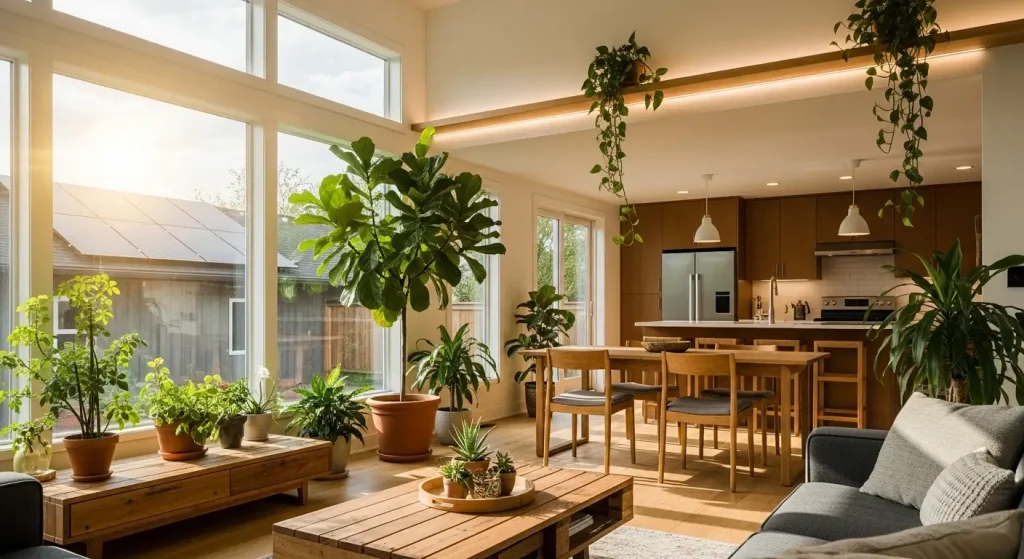
Making eco-friendly home upgrades has never been more critical or accessible for homeowners committed to sustainable living tips. Whether you’re in London, Los Angeles, or Berlin, transforming your home into an environmentally responsible sanctuary reduces your carbon footprint while significantly lowering utility bills. These green home improvements represent smart investments that benefit both your wallet and the planet.
The transition to sustainable living doesn’t require complete home renovation. Strategic, thoughtful upgrades can dramatically reduce environmental impact while improving comfort and property value. Let’s explore practical, achievable modifications you can implement immediately.
Smart Gym Equipment & Apps: Home Fitness Innovations
Why Eco-Friendly Home Upgrades Matter Today
Climate change demands immediate action, and our homes contribute approximately 20% of global carbon emissions. Energy efficient home modifications address this challenge directly while creating healthier living spaces.
Beyond environmental benefits, sustainable upgrades offer compelling financial advantages. Homeowners typically see 25-30% reductions in energy costs within the first year. Property values increase by 5-10% with documented green certifications.
Health benefits shouldn’t be overlooked either. Improved air quality, reduced chemical exposure, and enhanced natural lighting contribute to better physical and mental wellbeing for your entire family.
Energy Efficiency: Powering Your Sustainable Future
Solar Panel Installation
Solar energy represents the cornerstone of environmentally friendly house updates. Modern photovoltaic systems have become remarkably affordable, with prices dropping 70% over the past decade.
Key considerations for solar installation:
- Average UK home saves £400-900 annually on electricity
- Federal tax credits in the US cover 30% of installation costs
- Most systems pay for themselves within 7-12 years
- Battery storage extends usability and grid independence
- Net metering allows selling excess power back to utilities
Many suppliers offer zero-down financing options, making solar accessible even without significant upfront capital. Community solar programs provide alternatives for renters or those with unsuitable roofs.
Teletherapy vs In-Person Therapy: Mental Health Trends
Smart Heating and Cooling Systems
HVAC systems consume nearly half of typical home energy usage. Upgrading to energy efficient home modifications in this area yields substantial savings.
Effective heating and cooling upgrades include:
- Programmable smart thermostats (Nest, Ecobee) saving 10-23% on bills
- Heat pump systems offering 300-400% efficiency compared to traditional furnaces
- Proper insulation in attics, walls, and crawl spaces preventing heat loss
- Double or triple-glazed windows reducing thermal transfer by 50%
- Weatherstripping and caulking eliminating drafts inexpensively
Zone heating allows warming only occupied rooms rather than entire homes. This targeted approach reduces energy waste significantly while maintaining comfort where it matters.
LED Lighting Revolution
Switching to LED bulbs represents the easiest sustainable living tips implementation. LEDs use 75% less energy than incandescent bulbs while lasting 25 times longer.
Calculate potential savings: A typical home with 40 bulbs saves approximately £200-300 annually through LED conversion. Smart LED systems integrate with home automation, automatically adjusting brightness based on natural light availability and occupancy.
Managing Stress Naturally: New Wellness Techniques to Try
Water Conservation Systems That Work
Water scarcity affects billions globally, making conservation essential green home improvements. Efficient fixtures and systems reduce consumption without sacrificing functionality.
Low-Flow Fixtures
Modern low-flow technology delivers satisfying water pressure while dramatically reducing usage:
Water-saving installations include:
- Low-flow showerheads reducing consumption from 9.5 to 2.0 gallons per minute
- Dual-flush toilets cutting water usage by 67% annually
- Aerated faucets maintaining pressure while using 30% less water
- Touchless faucets preventing unnecessary water waste
- Leak detection systems identifying problems before they become costly
A family of four typically saves 20,000-30,000 gallons annually through comprehensive low-flow upgrades. This translates to £150-250 in reduced water bills yearly.
Teletherapy vs In-Person Therapy: Ultimate Guide
Rainwater Harvesting
Collecting rainwater for irrigation and non-potable uses represents intelligent environmentally friendly house updates. Simple barrel systems start under £100, while sophisticated underground cisterns offer whole-home solutions.
Rainwater contains fewer chemicals than treated municipal water, benefiting gardens naturally. In regions with water restrictions, harvesting systems provide independence during drought conditions.
Sustainable Materials for Home Renovation
Choosing eco-conscious building materials during renovations significantly reduces environmental impact while creating healthier indoor environments.
Reclaimed and Recycled Materials
Sustainable material options include:
- Reclaimed wood for flooring, shelving, and furniture adding character
- Recycled glass countertops offering unique aesthetics
- Bamboo flooring growing 100 times faster than hardwoods
- Cork flooring providing natural antimicrobial properties
- Recycled metal roofing lasting 50+ years
- Low-VOC paints and finishes improving air quality
These materials often cost less than virgin alternatives while telling compelling sustainability stories. Architectural salvage yards offer treasure troves of beautiful, affordable reclaimed materials.
Natural Insulation Solutions
Traditional insulation contains harmful chemicals and produces significant manufacturing emissions. Natural alternatives perform equally well while remaining completely non-toxic.
Sheep’s wool, hemp, cellulose, and cork insulation provide excellent thermal performance. These materials regulate humidity naturally, preventing mold growth while improving air quality.
Managing Stress Naturally: New Wellness Techniques
Smart Technology for Green Living
Home automation and intelligent systems optimize resource usage automatically, making sustainable living tips effortless to implement.
Energy Monitoring Systems
Real-time energy monitors reveal exactly where electricity goes. This visibility empowers informed decisions about appliance usage and identifies energy vampires silently draining power.
Smart plugs automatically cut standby power to devices, eliminating phantom loads consuming 5-10% of household electricity. Whole-home monitoring systems integrate with smartphones, providing detailed usage analytics and customized efficiency recommendations.
Smart Appliances
Energy Star certified appliances use 10-50% less energy than standard models. Smart features include:
- Refrigerators adjusting cooling based on contents and usage patterns
- Washing machines optimizing water temperature and cycle duration
- Dishwashers running during off-peak electricity hours automatically
- Ovens preheating only when necessary based on recipes
- Water heaters learning household patterns to minimize heating waste
While initial costs run higher, smart appliances typically recover expenses through energy savings within 3-5 years.
Indoor Air Quality Improvements
Indoor air often contains 2-5 times more pollutants than outdoor air. Green home improvements addressing air quality create healthier living environments.
Natural Air Purification
Houseplants naturally filter toxins while producing oxygen. NASA research identifies top performers:
Most effective air-purifying plants:
- Spider plants removing formaldehyde and xylene
- Peace lilies filtering ammonia and benzene
- Snake plants producing oxygen at night
- Pothos eliminating carbon monoxide
- Bamboo palms removing trichloroethylene
Combine plants with mechanical HEPA filtration for comprehensive air quality management. Ventilation improvements ensuring adequate fresh air circulation prevent pollutant accumulation.
Chemical-Free Cleaning
Conventional cleaning products release harmful volatile organic compounds (VOCs). Simple, natural alternatives clean effectively without toxic residues:
- Vinegar for disinfecting and deodorizing
- Baking soda for scrubbing and freshening
- Lemon juice for cutting grease naturally
- Essential oils providing pleasant, natural fragrances
- Castile soap handling general cleaning needs
These ingredients cost fraction of commercial products while completely eliminating chemical exposure risks.
Waste Reduction Strategies
Environmentally friendly house updates extend beyond energy and water to comprehensive waste management.
Composting Systems
Food waste comprises 30% of household trash. Home composting diverts this material from landfills while creating nutrient-rich soil amendments.
Modern composting systems eliminate odors and pests through proper design. Countertop collectors, outdoor tumblers, and underground digesters accommodate different spaces and preferences. Vermicomposting using worms works perfectly for apartments.
Recycling Infrastructure
Dedicated recycling stations with clearly labeled bins increase participation rates dramatically. Include containers for:
- Paper and cardboard
- Plastic by number
- Glass sorted by color
- Metals including aluminum and steel
- Electronics requiring special handling
- Textiles for donation or recycling
Research local facilities accepting difficult materials like batteries, light bulbs, and paint. Many communities offer special collection events for hazardous waste.
Budget-Friendly Green Upgrades
Sustainable living tips accommodate every budget. Small changes accumulate into significant environmental impact.
Free and Low-Cost Improvements
Immediate actions requiring minimal investment:
- Adjusting thermostat 2-3 degrees seasonally saves 10% on heating/cooling
- Air-drying laundry eliminates dryer energy consumption
- Unplugging unused electronics stops phantom power drain
- Using natural light reduces daytime electricity needs
- Fixing leaky faucets prevents wasting 3,000+ gallons annually
- Installing programmable outlet timers costs £10-15 per unit
These modifications require virtually no upfront investment while delivering immediate savings and environmental benefits.
DIY Project Opportunities
Many energy efficient home modifications make excellent weekend projects. Weatherstripping, caulking, insulation installation, and fixture replacement require basic tools and modest skills.
YouTube tutorials and home improvement blogs provide step-by-step guidance. Local hardware stores often offer free workshops teaching essential techniques. Accomplishing projects yourself saves 50-70% compared to professional installation.
Long-Term Benefits of Sustainable Living
Green home improvements deliver compounding returns extending far beyond immediate savings.
Financial Advantages
Energy-efficient homes command premium prices in real estate markets. Green certifications (LEED, Energy Star) attract environmentally conscious buyers willing to pay 5-10% more.
Reduced utility costs accumulate substantially over time. A home saving £200 monthly on energy and water generates £48,000 in savings over twenty years. These funds support additional upgrades or other financial goals.
Environmental Impact
Individual actions create collective change. A single household implementing comprehensive eco-friendly home upgrades prevents 5-10 tons of carbon emissions annually—equivalent to planting 200 trees.
Water conservation efforts preserve increasingly scarce resources for future generations. Material choices supporting sustainable industries drive broader market transformation toward environmental responsibility.
Health and Wellbeing
Improved indoor air quality reduces respiratory issues, allergies, and headaches. Natural lighting enhances mood and regulates circadian rhythms for better sleep. Chemical-free environments minimize toxic exposure risks, particularly important for children and vulnerable individuals.
Studies consistently demonstrate that occupants of green buildings report higher satisfaction, better health outcomes, and improved productivity compared to conventional structures.
Getting Started With Eco-Friendly Home Upgrades Today
Beginning your sustainable living journey need not feel overwhelming. Start with simple, high-impact changes building momentum toward comprehensive transformation.
Create Your Action Plan
Steps for successful implementation:
- Conduct a home energy audit identifying biggest opportunities
- Prioritize upgrades by return on investment and environmental impact
- Set realistic timeline and budget for each project
- Research available rebates, tax credits, and financing options
- Document baseline utility usage for measuring progress
- Celebrate milestones maintaining motivation throughout the journey
Many utility companies offer free or subsidized energy audits providing professional assessments and recommendations. These evaluations identify hidden inefficiencies and prioritize improvements effectively.
Connect With Your Community
Join local sustainability groups sharing resources, experiences, and support. Community workshops often provide bulk purchasing discounts on solar installations, insulation, and other upgrades.
Online forums and social media groups dedicated to sustainable living tips offer inspiration, troubleshooting assistance, and accountability. Sharing your journey inspires others while solidifying your own commitment.
The transition to eco-friendly home upgrades represents one of the most meaningful actions individuals can take addressing climate change. Each improvement contributes to healthier homes, reduced environmental impact, and substantial financial savings.
Start today with one small change. Your future self—and the planet—will thank you.
Relevant External Links
- Energy Star Official Website – Government resource for energy efficiency
- US Green Building Council – LEED certification information
- Carbon Trust UK – Business and home sustainability guidance
- National Renewable Energy Laboratory – Research and data on renewable energy