
Introduction
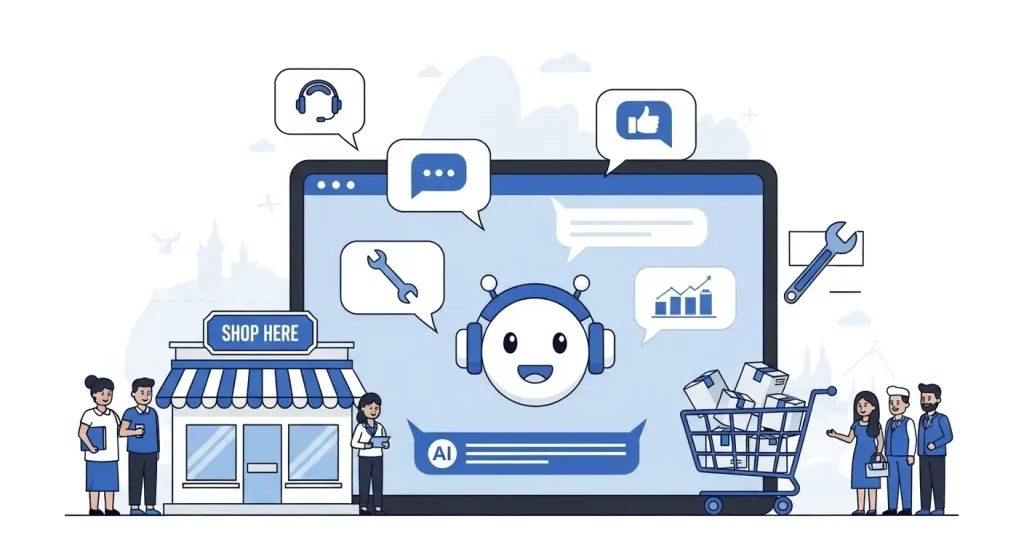
Small business owners are constantly searching for cost-effective ways to compete with larger enterprises. In 2025, artificial intelligence chatbots have emerged as a game-changing solution that levels the playing field. These intelligent virtual assistants can handle customer inquiries, generate leads, and personalize marketing efforts without requiring a massive budget or technical expertise.
If you’re wondering how to implement conversational AI tools into your business strategy, this comprehensive guide will walk you through everything you need to know about using AI chatbots for small business marketing success.
10 Morning Yoga Poses to Reduce Back Pain: Start Your Day Pain-Free
What Are AI Chatbots and Why Do They Matter?
AI chatbots are software applications powered by artificial intelligence that simulate human conversations through text or voice interactions. Unlike traditional automated responses, modern chatbot technology uses natural language processing to understand context, learn from interactions, and provide personalized responses.
For small businesses, these tools represent an opportunity to:
- Provide 24/7 customer support without hiring additional staff
- Qualify leads automatically while you focus on closing deals
- Reduce response times from hours to seconds
- Collect valuable customer data for targeted marketing campaigns
- Scale your customer engagement efforts affordably
The global chatbot market is projected to reach $27 billion by 2030, with small and medium-sized businesses driving significant adoption rates.
Natural Remedies for Seasonal Allergies: What Works?
Key Benefits of Chatbot Marketing Automation
Enhanced Customer Engagement
Customer engagement chatbots can interact with website visitors instantly, answering questions and guiding them through your sales funnel. Studies show that 64% of consumers appreciate the 24-hour service that chatbots provide, making them essential for businesses operating across different time zones.
Lead Generation on Autopilot
Automated marketing tools equipped with AI can qualify prospects by asking relevant questions, collecting contact information, and scheduling appointments. This means your chatbot works as a virtual sales assistant, capturing opportunities even when you’re sleeping.
Personalized Marketing at Scale
Modern conversational AI tools analyze customer behavior and preferences to deliver tailored product recommendations, content suggestions, and special offers. This level of personalization was once only available to enterprises with sophisticated CRM systems.
Cost-Effective Operations
Implementing affordable AI solutions costs significantly less than hiring full-time customer service representatives. Most small business AI strategy platforms offer tiered pricing starting at $20-$50 per month, making them accessible for businesses of all sizes.
How to Boost Your Immune System Naturally: Proven Strategies for Better Health
How to Implement AI Chatbots in Your Marketing Strategy
Step 1: Define Your Objectives
Before selecting a chatbot platform, identify specific goals such as:
- Reducing customer support tickets by a certain percentage
- Increasing lead capture rates on your website
- Improving conversion rates through personalized recommendations
- Automating appointment scheduling or order tracking
Step 2: Choose the Right Platform
Popular options for small businesses include ManyChat, Tidio, Chatfuel, and HubSpot’s chatbot builder. When evaluating platforms, consider:
- Integration capabilities with your existing tools (email marketing, CRM, e-commerce platforms)
- Ease of use and setup time
- Customization options for branding and conversation flows
- Analytics and reporting features
- Pricing structure that fits your budget
Step 3: Design Conversation Flows
Map out common customer journeys and create conversation scripts that feel natural and helpful. Include options for:
- Frequently asked questions about products or services
- Lead qualification questions that route prospects to appropriate resources
- Product recommendations based on customer needs
- Escalation paths to human agents when necessary
Step 4: Train and Optimize
Launch your chatbot with a beta test period, monitoring conversations to identify areas for improvement. Use analytics to track metrics like engagement rates, completion rates, and customer satisfaction scores.
Stress Management Techniques for a Busy Lifestyle
Best Practices for Small Business AI Strategy
Be Transparent: Always let customers know they’re interacting with a chatbot. Authenticity builds trust.
Keep It Simple: Avoid overwhelming users with too many options. Design clear, concise conversation paths.
Maintain Brand Voice: Customize your chatbot’s personality to match your brand tone, whether that’s professional, friendly, or playful.
Provide Human Backup: Ensure customers can easily reach a real person when needed. AI should enhance, not replace, human connection.
Regular Updates: Continuously refine your chatbot based on customer feedback and changing business needs.
Real-World Success Stories
A boutique clothing retailer implemented customer engagement chatbots and saw a 40% increase in after-hours sales inquiries being converted. A local dental practice used automated marketing tools to reduce no-show appointments by 35% through automated reminders and rescheduling options.
These examples demonstrate that conversational AI tools aren’t just for tech companies—any small business can benefit from strategic implementation.
Budgeting Tips for Young Adults: Achieve Your First Savings Goal
Common Mistakes to Avoid
Many businesses fail with chatbot marketing automation because they:
- Make conversation flows too rigid or robotic
- Fail to test thoroughly before launch
- Neglect ongoing maintenance and updates
- Don’t integrate chatbots with other marketing channels
- Overlook mobile optimization
Avoiding these pitfalls will significantly increase your chances of success with AI chatbots for small business applications.
Future Trends in Chatbot Technology
Looking ahead, expect to see more voice-enabled chatbots, deeper integration with social commerce platforms, and enhanced predictive capabilities that anticipate customer needs before they ask. Small businesses that adopt these affordable AI solutions early will gain a competitive advantage in their markets.
Planning for Retirement: Tips for Millennials
Frequently Asked Questions
Q: How much does it cost to implement AI chatbots for small business marketing?
A: Most chatbot platforms offer plans ranging from $0-$50 per month for basic features, with premium options between $50-$300 monthly. Free trials allow you to test functionality before committing. The return on investment typically outweighs costs within the first few months through improved efficiency and lead generation.
Q: Do I need technical skills to set up conversational AI tools?
A: No coding experience is required for most modern chatbot platforms. They offer drag-and-drop builders and templates specifically designed for non-technical users. Setup can be completed in a few hours, though more complex customization may require professional assistance.
Q: Can chatbot marketing automation work for service-based businesses?
A: Absolutely. Service providers like consultants, healthcare practitioners, salons, and fitness studios benefit tremendously from automated appointment scheduling, FAQ responses, and lead qualification. Customer engagement chatbots handle routine inquiries while you focus on delivering excellent service.
Q: How do I measure the success of my small business AI strategy?
A: Track key performance indicators including chat engagement rates, lead conversion percentages, customer satisfaction scores, response time improvements, and cost savings compared to traditional support methods. Most platforms provide built-in analytics dashboards for easy monitoring.
Take Action Today
Ready to transform your marketing efforts with AI chatbots for small business success? The technology is more accessible and affordable than ever before. Start by evaluating your current customer interaction points and identifying where automated marketing tools could provide immediate value.
Get started with a leading chatbot platform: Click
Don’t let your competitors gain the advantage. Implement conversational AI tools now and watch your customer engagement and sales grow throughout 2025 and beyond.