
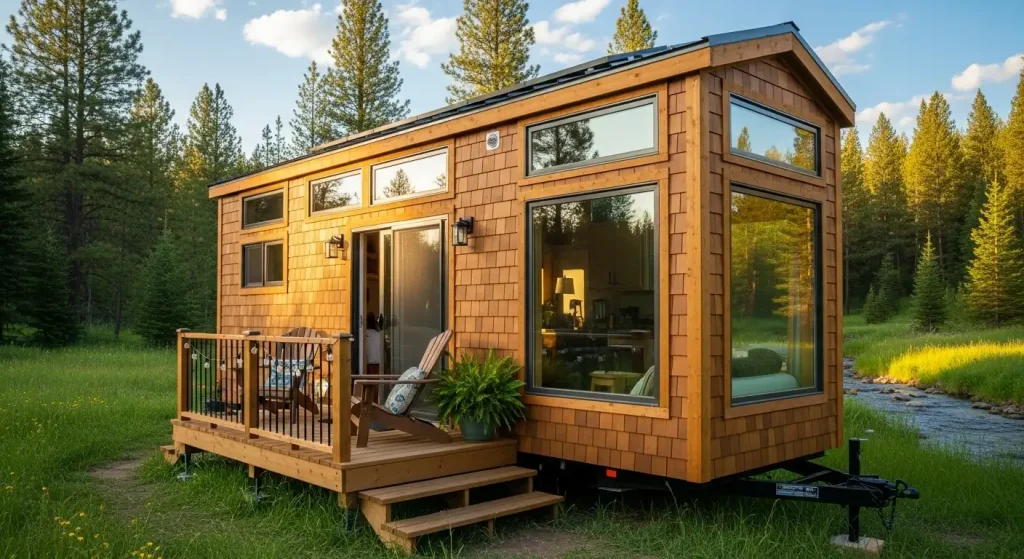
The Tiny House Trend: Living Large in Small Spaces
Digital Detox Benefits Your Mental Health | Unplug Now
Introduction: The Rise of Tiny House Living
The tiny house living revolution is transforming how people across the UK, US, and Europe think about home ownership and lifestyle priorities. As housing costs skyrocket and environmental concerns intensify, thousands are discovering that small space living offers unexpected freedom, financial benefits, and a path to intentional living. These compact dwellings, typically ranging from 100 to 400 square feet, prove you don’t need excessive square footage to create a comfortable, fulfilling home.
This comprehensive guide explores the tiny house movement, revealing why downsizing might be your smartest lifestyle decision yet. Whether you’re seeking financial independence, environmental sustainability, or simply a simpler way of life, tiny houses offer compelling solutions to modern living challenges.
Understanding the Tiny House Movement
What Defines Tiny House Living?
The tiny house movement represents more than just downsizing—it’s a cultural shift toward intentional living. These diminutive dwellings come in various forms:
- Tiny houses on wheels: Mobile homes built on trailers (typically 100-400 sq ft)
- Foundation tiny homes: Permanent small structures on traditional foundations
- Container homes: Repurposed shipping containers transformed into living spaces
- Park model homes: Small recreational vehicles designed for extended living
- Accessory dwelling units (ADUs): Small secondary homes on existing properties
Each style offers unique advantages depending on your lifestyle goals, location, and budget constraints.
Plant-Based on a Budget: Easy Vegan Recipes
Why People Choose Small Space Living
The motivations for embracing minimalist living tiny house style are diverse and deeply personal:
- Financial freedom: Dramatically reduced housing costs and mortgage debt
- Environmental consciousness: Smaller carbon footprint and sustainable living
- Location flexibility: Ability to relocate easily with mobile tiny homes
- Simplified lifestyle: Less maintenance, cleaning, and material possessions
- Quality over quantity: Investment in experiences rather than square footage
Financial Benefits of Tiny House Living
Substantial Cost Savings
One of the most compelling tiny house benefits is the dramatic reduction in expenses. The average tiny house costs between £20,000-£80,000 ($25,000-$100,000) compared to traditional homes costing several hundred thousand pounds or dollars.
Monthly savings include:
- Lower utility bills: Heating, cooling, and electricity costs drop by 60-80%
- Minimal maintenance: Fewer systems to repair and smaller spaces to maintain
- Reduced property taxes: Smaller valuations mean lower annual tax bills
- Decreased insurance premiums: Less square footage equals lower coverage costs
- No or minimal mortgage: Many tiny house owners pay cash, eliminating debt
Build an Ethical Wardrobe: Slow Fashion Guide 2025
Achieving Financial Independence Faster
Downsizing to tiny house living accelerates wealth building significantly. Without hefty mortgage payments consuming 30-50% of income, residents redirect funds toward investments, travel, education, or early retirement. Many tiny house dwellers report achieving financial independence years or even decades earlier than conventional homeowners.
Design Solutions for Maximizing Small Spaces
Clever Tiny Home Design Ideas
Creating comfortable compact living solutions requires innovative thinking and smart design choices. Successful tiny houses incorporate:
Vertical Space Utilization:
- Loft bedrooms accessed by stairs or ladders
- Floor-to-ceiling storage cabinets
- Wall-mounted fold-down furniture
- Hanging organizers and overhead storage
Multi-Functional Furniture:
- Dining tables that convert to work desks
- Murphy beds that disappear into walls
- Ottoman storage seating
- Staircase drawers combining access and organization
Space-Enhancing Features:
- Large windows creating illusions of spaciousness
- Light colour palettes reflecting natural light
- Mirrors strategically positioned for depth
- Open floor plans eliminating unnecessary walls
Eco-Friendly Home Upgrades for Sustainable Living Now
Small Home Organization Strategies
Successful small space living demands disciplined organization. Every item must earn its place through regular use or deep sentimental value. Implement these systems:
- Adopt the “one in, one out” rule for new purchases
- Utilize under-bed and under-stair storage extensively
- Install pegboards and hooks for vertical organization
- Use clear containers for visual inventory management
- Digitize documents, photos, and media collections
Environmental and Sustainability Advantages
Eco-Friendly Tiny Homes Lead the Way
The tiny house movement aligns perfectly with environmental consciousness. These eco-friendly tiny homes typically feature:
- Solar panel systems: Many tiny houses operate completely off-grid
- Composting toilets: Water conservation and waste reduction
- Rainwater collection: Harvesting and filtering natural precipitation
- Energy-efficient appliances: Minimal power consumption designs
- Sustainable materials: Reclaimed wood, recycled metals, and non-toxic finishes
The average tiny house produces approximately 2,000 pounds of CO2 annually compared to 28,000 pounds for traditional homes—an 86% reduction in carbon footprint.
Smart Gym Equipment & Apps: Home Fitness Innovations
Sustainable Tiny Living Practices
Beyond construction, sustainable tiny living encompasses daily lifestyle choices:
- Reduced consumption due to limited storage space
- Lower energy usage for heating, cooling, and lighting
- Decreased water consumption through efficient fixtures
- Minimal lawn maintenance and landscape impact
- Proximity to nature encouraging outdoor activities
Challenges of Tiny House Living
Practical Considerations
While tiny house benefits are substantial, honest assessment of challenges ensures informed decisions:
Zoning and Legal Issues: Regulations vary dramatically across the UK, US, and Europe. Many jurisdictions have minimum square footage requirements or prohibit tiny houses on wheels. Research local building codes, zoning ordinances, and parking regulations thoroughly before committing.
Space Limitations: Hosting guests, accommodating hobbies requiring equipment, and storing seasonal items presents genuine challenges. Small space living demands creative problem-solving and sometimes external storage solutions.
Relationship Dynamics: Couples or families considering tiny houses must honestly assess their compatibility in confined quarters. Privacy becomes precious, and communication skills prove essential.
Weather Considerations: Extreme temperatures affect tiny houses more dramatically than traditional homes. Quality insulation, efficient heating/cooling systems, and appropriate climate considerations are crucial.
Is Tiny House Living Right for You?
Assessing Your Readiness
Before embracing minimalist living tiny house style, evaluate these factors:
- Financial goals: Does dramatic cost reduction align with your priorities?
- Lifestyle flexibility: Can you adapt to simplified living arrangements?
- Location options: Do viable parking or building sites exist in desired areas?
- Family needs: Will your household comfortably fit and function?
- Long-term vision: Does this support your 5-10 year life plans?
Teletherapy vs In-Person Therapy: Mental Health Trends
Getting Started with Tiny Living
For those ready to explore tiny house living:
- Test the lifestyle: Rent a tiny house on Airbnb for extended stays
- Declutter extensively: Practice living with 20% of current possessions
- Research regulations: Understand legal requirements in target locations
- Join communities: Connect with experienced tiny house dwellers online
- Visit tiny house villages: Tour examples and speak with residents
- Create detailed budgets: Account for all construction or purchase costs
- Plan utilities: Determine water, electricity, and sewage solutions
The Future of Compact Living
The tiny house movement continues gaining momentum as housing affordability crises worsen globally. Innovative affordable housing alternatives like tiny house communities, co-housing developments, and micro-apartment complexes are emerging across urban and rural landscapes.
Progressive municipalities are updating zoning laws to accommodate tiny houses, recognizing their potential to address housing shortages, reduce environmental impact, and offer dignified living options across income levels.
Conclusion: Living Large Through Living Small
Tiny house living proves that happiness, comfort, and fulfillment aren’t measured in square footage. By embracing small space living, thousands have discovered financial freedom, environmental responsibility, and intentional lifestyles that prioritize experiences over possessions.
Whether you’re seeking to eliminate debt, reduce your environmental footprint, or simply live more deliberately, the tiny house benefits deserve serious consideration. The movement demonstrates that with creativity, planning, and commitment, you truly can live large in remarkably small spaces.
Buy anything you need from Amazon.