Build an Ethical Wardrobe Your Complete Slow Fashion Guide
The slow fashion movement is revolutionizing how conscious consumers approach clothing, offering a powerful alternative to fast fashion’s destructive practices. Learning to build an ethical wardrobe means embracing quality, sustainability, and mindful consumption while creating a personal style that lasts. This comprehensive guide reveals practical strategies for making conscious fashion choices that benefit both your closet and the planet.
Whether you’re starting fresh or transforming your existing wardrobe, the principles of slow fashion provide a roadmap for sustainable, stylish living that reduces waste, supports ethical labor, and celebrates craftsmanship.
Eco-Friendly Home Upgrades for Sustainable Living Now
Understanding the Slow Fashion Movement
The slow fashion movement emerged as a direct response to fast fashion’s environmental devastation and worker exploitation. It champions thoughtful production, fair wages, sustainable materials, and garments designed to last years rather than seasons.
Fast fashion produces 100 billion garments annually, with 85% ending in landfills within one year. This linear model depletes resources, pollutes waterways, and perpetuates exploitative labor conditions. Slow fashion offers a fundamentally different approach.
The movement prioritizes transparency in supply chains, ethical manufacturing processes, and environmental responsibility. It encourages consumers to value quality over quantity, invest in timeless pieces, and develop lasting relationships with their clothing.
Why Building an Ethical Wardrobe Matters Today
Environmental Impact
The fashion industry generates 10% of global carbon emissions—more than international flights and maritime shipping combined. Textile dyeing pollutes rivers worldwide, while synthetic fabrics shed microplastics into oceans with every wash.
Environmental benefits of ethical wardrobes:
- Reduces textile waste filling landfills
- Decreases water consumption and pollution
- Lowers carbon footprint through local production
- Eliminates harmful chemical usage
- Supports regenerative agriculture practices
- Minimizes microplastic ocean pollution
Choosing to build an ethical wardrobe directly addresses these environmental crises through conscious purchasing decisions and extended garment lifecycles.
Smart Gym Equipment & Apps: Home Fitness Innovations
Social Responsibility
Fast fashion’s human cost remains devastating. Garment workers, predominantly women in developing nations, face poverty wages, unsafe conditions, and excessive hours. The 2013 Rana Plaza collapse killing 1,134 workers starkly illustrated these dangers.
Sustainable clothing brands prioritizing ethical practices ensure:
- Living wages for all workers
- Safe working environments
- Reasonable working hours
- Freedom of association and collective bargaining
- No child or forced labor
- Community investment and empowerment
Supporting ethical fashion means voting with your wallet for dignity, safety, and fair compensation throughout supply chains.
Personal Benefits
Beyond global impact, conscious fashion choices offer tangible personal advantages. Quality garments fit better, last longer, and maintain appearance through countless wears. Thoughtful wardrobes eliminate decision fatigue while expressing authentic personal style.
Financial benefits accumulate over time. Although ethical pieces cost more initially, superior durability and timelessness deliver better long-term value than frequently replacing cheap, trendy items.
Teletherapy vs In-Person Therapy: Mental Health Trends
Core Principles of Slow Fashion
Quality Over Quantity
The slow fashion movement fundamentally rejects disposable clothing culture. Instead of twenty mediocre shirts, invest in five exceptional ones that last five years rather than five months.
Quality indicators include:
- Natural, sustainable fibers (organic cotton, linen, hemp, Tencel)
- Reinforced seams and quality stitching
- Durable buttons, zippers, and fastenings
- Classic cuts resisting trend obsolescence
- Proper garment weight and construction
Learning to assess quality transforms shopping from impulse-driven to value-focused, naturally slowing consumption patterns.
Timeless Style
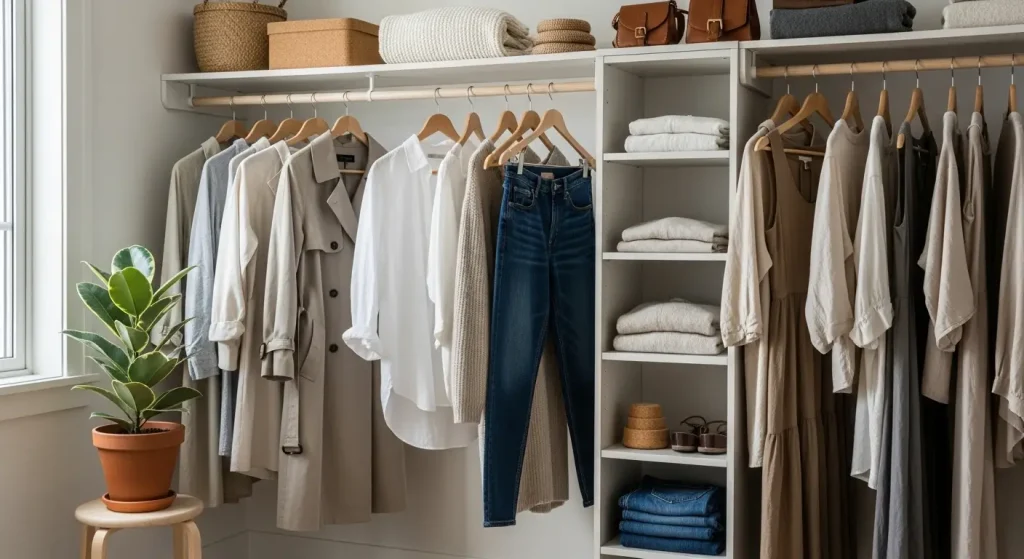
Trends change seasonally, but great style endures. Capsule wardrobe essentials emphasize versatile, classic pieces transcending fleeting fashion cycles.
Timeless wardrobe foundations:
- Well-fitted jeans in classic cuts
- White and black t-shirts in quality fabrics
- Tailored blazers in neutral colors
- Little black dress or classic suit
- Quality knitwear in natural fibers
- Versatile footwear in classic styles
- Investment outerwear built to last
These pieces form the backbone of endless outfit combinations, reducing the need for constant new purchases.
Managing Stress Naturally: New Wellness Techniques to Try
Transparency and Ethics
Ethical fashion demands knowing your clothes’ origins. Sustainable clothing brands openly share information about materials, manufacturing locations, worker conditions, and environmental practices.
Look for certifications validating claims:
- Fair Trade Certified
- Global Organic Textile Standard (GOTS)
- OEKO-TEX Standard 100
- B Corporation status
- Bluesign certification
- Cradle to Cradle Certified
Transparency allows consumers to make truly informed conscious fashion choices aligned with personal values.
Teletherapy vs In-Person Therapy: Ultimate Guide
How to Build Your Ethical Wardrobe Step-by-Step
Step 1: Audit Your Current Wardrobe
Before purchasing anything new, thoroughly assess what you already own. This crucial first step prevents unnecessary consumption while revealing your authentic style preferences.
Wardrobe audit process:
- Remove everything from your closet
- Try on each item assessing fit, condition, and love
- Create keep, repair, donate, and recycle piles
- Document gaps in your wardrobe
- Identify patterns in what you actually wear
- Note quality levels and longevity of different pieces
This exercise often reveals that you own more than needed while highlighting specific gaps requiring thoughtful filling.
Step 2: Define Your Personal Style
Building an ethical wardrobe succeeds when aligned with your authentic aesthetic. Trend-chasing leads to waste; personal style endures.
Explore your preferences through:
- Pinterest boards collecting inspiring images
- Analyzing outfits you feel most confident wearing
- Identifying colors flattering your complexion
- Considering lifestyle requirements
- Defining adjectives describing your ideal style
Clear style parameters guide future purchases, reducing impulse buys of items that never get worn.
Managing Stress Naturally: New Wellness Techniques
Step 3: Create Your Shopping List
Based on your audit and style definition, create a prioritized list of needed items. This intentional approach prevents random purchases while ensuring every addition serves a purpose.
Effective shopping list criteria:
- Fills genuine wardrobe gap
- Coordinates with existing pieces
- Suits your lifestyle needs
- Represents timeless rather than trendy
- Meets quality and ethical standards
- Justifies investment through versatility
Patience proves essential. Finding perfect pieces takes time, but waiting ensures lasting satisfaction.
Sustainable Clothing Brands Leading the Way
Numerous sustainable clothing brands now offer stylish, ethical options across price points and aesthetics. Supporting these companies drives industry transformation.
Premium Ethical Brands
High-quality sustainable options include:
- Patagonia: Environmental activism meeting outdoor wear excellence
- Eileen Fisher: Timeless minimalism with organic and recycled materials
- Reformation: Trendy styles with radical transparency
- Stella McCartney: Luxury fashion without animal products
- Veja: Sustainable sneakers using fair trade materials
These brands invest heavily in sustainable innovation, ethical supply chains, and environmental restoration programs.
Personalized Medicine: 5 Powerful Ways It’s Transforming Care
Mid-Range Conscious Fashion
Accessible ethical brands offer:
- Everlane: Radical transparency with “true cost” pricing
- Pact: Affordable organic cotton basics
- People Tree: Fair trade pioneer with artisan partnerships
- Thought: Sustainable fabrics in classic British style
- Kowtow: Certified fair trade fashion from New Zealand
Mid-range options prove that ethical fashion needn’t break the bank while maintaining quality standards.
Budget-Friendly Alternatives
Conscious fashion choices on limited budgets remain achievable through:
- Thrift and vintage shopping discovering unique pieces
- Clothing swaps exchanging unwanted items with friends
- Rental services like Rent the Runway for special occasions
- Secondhand platforms including Depop, Poshmark, and Vinted
- End-of-season sales from ethical brands
Creativity and patience unlock sustainable style at any price point.
Planning for Retirement: Tips for Millennials
Creating Your Perfect Capsule Wardrobe
The capsule wardrobe concept embodies slow fashion principles through minimal, versatile collections. These carefully curated selections maximize outfit possibilities while minimizing closet clutter.
Capsule Wardrobe Essentials
Core pieces for year-round wear:
Tops (8-10 pieces):
- 2 white t-shirts (crew and v-neck)
- 2 black t-shirts
- 1 striped shirt
- 2 blouses or button-downs
- 2-3 quality knitwear pieces
Bottoms (6-8 pieces):
- 2 pairs well-fitted jeans (different washes)
- 1 pair black trousers
- 1 pair neutral chinos or wide-leg pants
- 1-2 skirts in versatile styles
- 1 tailored shorts for summer
Dresses (3-5 pieces):
- Little black dress
- Casual day dress
- Midi dress for versatility
Outerwear (4-6 pieces):
- Classic trench coat
- Wool winter coat
- Denim or leather jacket
- Blazer for professional occasions
- Season-appropriate options
Shoes (5-7 pairs):
- White sneakers
- Black boots
- Comfortable flats
- One heel option
- Seasonal footwear
This foundation generates dozens of outfit combinations while simplifying daily dressing.
How to Pay Off Credit Card Debt Fast: Proven Strategies That Work
Seasonal Capsule Adjustments
Rather than completely new wardrobes each season, make minor adjustments adding or removing weather-appropriate pieces. Store off-season items properly, rotating as needed.
Smart Shopping Strategies for Ethical Fashion
The 30-Wear Rule
Before purchasing, ask: “Will I wear this at least 30 times?” This simple question eliminates impulse buys while ensuring every addition earns its place.
Cost Per Wear Analysis
Calculate true value by dividing price by expected wears. A £200 coat worn 200 times costs £1 per wear, while a £30 shirt worn twice costs £15 per wear.
Cost-per-wear considerations:
- Quality pieces justify higher initial investment
- Versatility increases wearing opportunities
- Timeless styles extend usable lifespan
- Proper care maximizes longevity
This framework reveals that ethical fashion often proves more economical than fast fashion alternatives.
Mindful Shopping Practices
Strategies for conscious consumption:
- Wait 30 days before non-essential purchases
- Shop with specific lists rather than browsing
- Avoid sale-driven impulse buying
- Prioritize need over want
- Consider secondhand before new
- Support local designers and makers
- Read reviews from actual customers
These habits train your brain to resist marketing manipulation while building genuine satisfaction with purchases.
Investing Basics: Index Funds for Long-Term Growth
Caring for Your Ethical Clothes Properly
Extending garment lifespan through proper care represents crucial slow fashion movement participation. Most clothing could last years longer with appropriate treatment.
Washing Best Practices
Garment care guidelines:
- Wash less frequently—spot clean when possible
- Use cold water reducing energy consumption
- Choose eco-friendly, gentle detergents
- Turn garments inside out preventing fading
- Avoid fabric softeners breaking down fibers
- Air dry whenever feasible
- Use mesh bags protecting delicates
Overwashing prematurely ages clothing while wasting water and energy. Most items need washing far less than we think.
Repair and Mending
Learning basic mending skills dramatically extends clothing life. Simple repairs include:
- Sewing loose buttons
- Fixing small tears
- Reinforcing seams
- Patching holes creatively
- Hemming pants
- Replacing zippers
Many communities offer repair cafés providing free assistance. Professional alterations and repairs cost significantly less than replacements while preserving beloved pieces.
Budget-Friendly Ethical Fashion Strategies
Building an ethical wardrobe needn’t require unlimited funds. Strategic approaches make sustainability accessible to everyone.
Thrifting and Vintage Shopping
Secondhand shopping offers the most sustainable option by extending existing garments’ lifecycles. Thrift stores, vintage boutiques, and charity shops overflow with quality pieces at fraction of original costs.
Successful thrifting tips:
- Visit wealthy neighborhoods for better selections
- Go midweek for newly stocked inventory
- Inspect items carefully for quality and condition
- Try everything on—sizing varies widely
- Look for natural fibers and quality construction
- Be patient—treasures require hunting
Vintage shopping adds unique character while preventing textile waste.
Clothing Swaps and Rentals
Host or attend clothing swaps exchanging unwanted items with friends. These events refresh wardrobes free while building community and reducing consumption.
Rental services work perfectly for special occasions or trend experimentation without long-term commitment. Platforms like Rent the Runway and By Rotation offer designer access affordably.
DIY and Upcycling
Transform existing pieces through creative upcycling. Turn worn jeans into shorts, oversized shirts into dresses, or damaged sweaters into pillow covers.
Online tutorials teach techniques from simple alterations to complete garment reconstruction. Developing these skills saves money while expressing creativity.
Making the Transition to Slow Fashion Today
Shifting to ethical fashion happens gradually. Perfection isn’t the goal—progress is.
Start Small
Manageable first steps include:
- Committing to no new clothing purchases for 30 days
- Replacing one fast fashion brand with an ethical alternative
- Learning one basic mending skill
- Creating your first capsule wardrobe plan
- Shopping secondhand for your next three purchases
Small actions build momentum and confidence.
Educate Yourself Continuously
The slow fashion movement evolves constantly with new brands, practices, and information emerging regularly. Follow sustainable fashion blogs, documentaries like “The True Cost,” and ethical brand newsletters staying informed.
Understanding the issues motivates continued commitment when challenges arise.
Share Your Journey
Discussing conscious fashion choices with friends and family spreads awareness organically. Share favorite ethical brands, thrifting finds, and lessons learned.
Social influence powerfully shapes behavior. Your choices inspire others to reconsider their own consumption patterns.
Building Your Ethical Wardrobe Starts Now
The slow fashion movement offers a powerful path toward sustainable, stylish living that honors both people and planet. Learning to build an ethical wardrobe transforms your relationship with clothing from disposable to cherished, from impulsive to intentional.
Every conscious fashion choice matters. Each ethical purchase, thrift find, or mended garment represents a vote for the fashion industry we want to see. Your capsule wardrobe essentials can tell a story of care, quality, and responsibility.
Start today with one small change. Audit your closet, research sustainable clothing brands, or commit to wearing what you already own. The journey to ethical fashion begins with a single step.
Your wardrobe can be beautiful, functional, and ethical—all at once.
External Resources
- Fashion Revolution – Global movement for transparent, ethical fashion
- Good On You – Ethical brand ratings and sustainable fashion guide
- The True Cost Documentary – Eye-opening film about fashion industry impact
- Remake – Organization fighting for fair fashion