Managing Stress Naturally: New Wellness Techniques to Try
Introduction: Why Natural Stress Management Matters
In today’s fast-paced world, managing stress naturally has become essential for maintaining both physical and mental wellbeing. Rather than relying solely on medication, many people are discovering that natural stress relief techniques can provide lasting benefits without unwanted side effects. These wellness techniques for stress work by addressing the root causes of tension whilst supporting your body’s innate ability to heal and restore balance.
Modern research increasingly supports what ancient wellness traditions have known for centuries: our bodies possess remarkable self-regulating mechanisms that we can activate through simple, natural practices. Whether you’re dealing with work pressure, family responsibilities, or general life challenges, incorporating these holistic stress management approaches can transform how you respond to daily stressors.
Teletherapy vs In-Person Therapy: Ultimate Guide
Understanding Natural Stress Relief
What Makes a Technique “Natural”?
Natural stress management refers to methods that work with your body’s inherent physiological processes rather than against them. These approaches typically involve no pharmaceuticals and instead harness the power of breathing, movement, nature exposure, and mindfulness to reduce stress without medication.
The beauty of these wellness techniques for stress lies in their accessibility. Most require little to no equipment and can be practised anywhere, making them ideal for modern lifestyles.
Evidence-Based Natural Stress Management Techniques
1. Breathwork: Your Built-In Stress Reducer
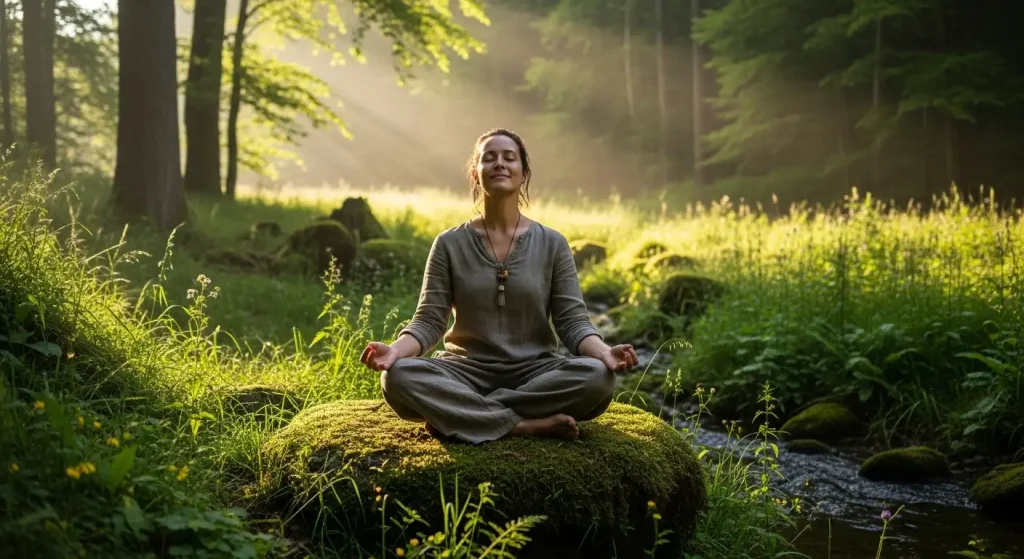
Breathwork has emerged as one of the most powerful natural anxiety relief methods available. This practice involves conscious control of breathing patterns to influence your nervous system directly.
Popular breathwork techniques include:
- Box breathing: Inhale for 4 counts, hold for 4, exhale for 4, hold for 4
- 4-7-8 breathing: Inhale for 4 counts, hold for 7, exhale for 8
- Alternate nostril breathing: Close one nostril whilst breathing through the other, alternating sides
Studies show that just five minutes of controlled breathwork can significantly lower cortisol levels and activate your parasympathetic nervous system, promoting immediate calm. This makes it one of the most effective stress reduction methods for acute anxiety.
Managing Stress Naturally: New Wellness Techniques
2. Forest Bathing: Nature’s Prescription
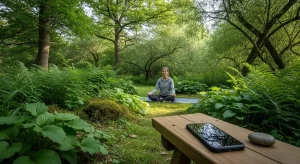
Forest bathing, or shinrin-yoku, is a Japanese wellness practice that involves immersing yourself in forest environments. This natural stress relief technique goes beyond simple walking—it’s about engaging all your senses whilst surrounded by nature.
Research indicates that spending just 20 minutes in woodland settings can reduce stress hormones by up to 16%. The practice works by exposing you to phytoncides, airborne chemicals released by trees that boost immune function and promote relaxation.
How to practise forest bathing:
- Find a wooded area or park with plenty of trees
- Put away electronic devices
- Walk slowly, focusing on sensory experiences
- Spend at least 20-30 minutes in the environment
- Notice colours, sounds, smells, and textures around you
3. Progressive Muscle Relaxation (PMR)
Progressive muscle relaxation represents a systematic approach to managing stress naturally by releasing physical tension. This technique involves tensing and then relaxing different muscle groups throughout your body, creating awareness of the difference between tension and relaxation.
PMR is particularly effective for those who hold stress physically, experiencing symptoms like headaches, jaw clenching, or shoulder tension. Regular practice can reduce chronic pain, improve sleep quality, and lower overall anxiety levels.
4. Adaptogenic Herbs and Nutrition
Whilst not strictly a “technique,” incorporating adaptogenic herbs into your routine offers powerful natural stress management benefits. Adaptogens help your body adapt to stress more effectively by supporting adrenal function and hormonal balance.
Evidence-backed adaptogens include:
- Ashwagandha: Reduces cortisol and anxiety symptoms
- Rhodiola rosea: Improves stress resilience and mental performance
- Holy basil (Tulsi): Supports emotional wellbeing and metabolic stress
- Reishi mushroom: Promotes calm and supports immune function
Always consult a healthcare provider before starting new supplements, especially if you’re taking medications.
Personalized Medicine: 5 Powerful Ways It’s Transforming Care
5. Mindful Movement Practices
Movement-based wellness techniques for stress combine physical activity with present-moment awareness, offering dual benefits for body and mind.
Effective mindful movement practices:
- Yoga: Combines poses, breathing, and meditation for comprehensive stress relief
- Tai chi: Gentle, flowing movements that calm the nervous system
- Qigong: Ancient Chinese practice linking breath, movement, and intention
- Walking meditation: Brings mindful awareness to the simple act of walking
These practices work by interrupting stress cycles, releasing muscle tension, and promoting endorphin production—your body’s natural mood elevators.
6. Cold Water Exposure
Cold water therapy has gained significant attention as a holistic stress management technique. Brief exposure to cold water triggers a controlled stress response that, over time, trains your nervous system to handle stress more effectively.
Regular cold showers or ice baths can improve mood, boost energy levels, and increase stress resilience. Start with 30 seconds of cold water at the end of your regular shower and gradually increase duration as your tolerance builds.
7. Journaling and Expressive Writing
Writing about stressful experiences provides a powerful outlet for processing emotions and gaining perspective. This natural anxiety relief method works by externalising internal worries, making them feel more manageable.
Effective journaling approaches:
- Stream of consciousness: Write continuously for 10-15 minutes without editing
- Gratitude journaling: List three things you’re grateful for daily
- Worry dump: Write all your worries, then physically put the paper away
- Future self-letter: Write encouraging advice to yourself from your future perspective
7 Powerful Gut Health Trends Transforming Wellness in 2025
Creating Your Natural Stress Management Plan
Start Small and Build Gradually
The key to successful stress reduction methods is consistency rather than perfection. Choose one or two techniques that resonate with you and practise them daily for at least three weeks before adding others.
Combine Techniques for Maximum Benefit
Many people find that combining multiple wellness techniques for stress creates synergistic effects. For example, you might practise breathwork during your morning routine, take a lunchtime walk in nature, and end your day with journaling.
Track Your Progress
Keep a simple log of which natural stress relief techniques you practise and how you feel afterwards. This helps identify which methods work best for your unique physiology and circumstances.
10 Amazing Smart Home 2025 Trends: IoT Revolution Explained
Conclusion: Embracing Natural Wellness
Managing stress naturally isn’t about eliminating stress entirely—that’s neither possible nor desirable. Instead, these wellness techniques equip you with practical tools to respond to stress more effectively, protecting your health and enhancing your quality of life.
The beauty of holistic stress management lies in its empowering nature. Rather than depending on external solutions, you’re developing internal resources that serve you for life. Start exploring these natural stress management techniques today, and discover which practices help you feel calmer, more centred, and better equipped to handle whatever life brings.
Remember, consistency matters more than intensity. Even five minutes of daily practice with any of these stress reduction methods can yield significant benefits over time. Your journey toward natural wellness begins with a single breath, a single step, or a single moment of awareness.