
Grocery shopping is one of the largest recurring expenses for most households, yet it’s also one of the easiest areas to trim without sacrificing quality or nutrition. If you’re wondering how to save money on groceries each month, you’re not alone—families across the country are searching for practical ways to reduce their food spending while still eating well.
The good news? You don’t need extreme couponing or hours of planning to make a significant difference in your grocery bill. With strategic shopping habits, smart meal planning, and a few insider tricks, you can easily save hundreds of dollars annually on food costs.
This comprehensive guide will walk you through proven grocery savings strategies that work for busy families, students, and anyone looking to stretch their food budget further. Let’s dive into the most effective ways to keep more money in your wallet while still filling your cart with nutritious, delicious food.
Budgeting Tips for Young Adults: Achieve Your First Savings Goal
Plan Your Meals Before You Shop
The foundation of grocery shopping tips that actually work starts with meal planning. When you shop without a plan, you’re more likely to make impulse purchases and buy items that end up wasted.
Create a Weekly Meal Plan
Dedicate 20 minutes each week to planning your meals. Check your calendar for busy nights when you’ll need quick meals, and schedule more elaborate cooking for leisurely evenings. This simple habit helps you reduce your grocery bill by ensuring every item you purchase has a purpose.
Inventory Your Kitchen First
Before making your shopping list, check your pantry, refrigerator, and freezer. You’ll often discover forgotten ingredients that can inspire meals, preventing duplicate purchases. Building meals around what you already have is one of the most effective cheap grocery shopping strategies.
Build Meals Around Sales
Instead of deciding what you want to eat and then shopping for it, flip the script. Check store circulars and apps for weekly sales, then plan meals around discounted proteins and produce. This flexible approach to meal planning on a budget can cut costs by 30-40%.
Low-Impact Home Workouts for Seniors: A Complete Guide to Safe and Effective Exercise
Master the Art of Smart Grocery Shopping
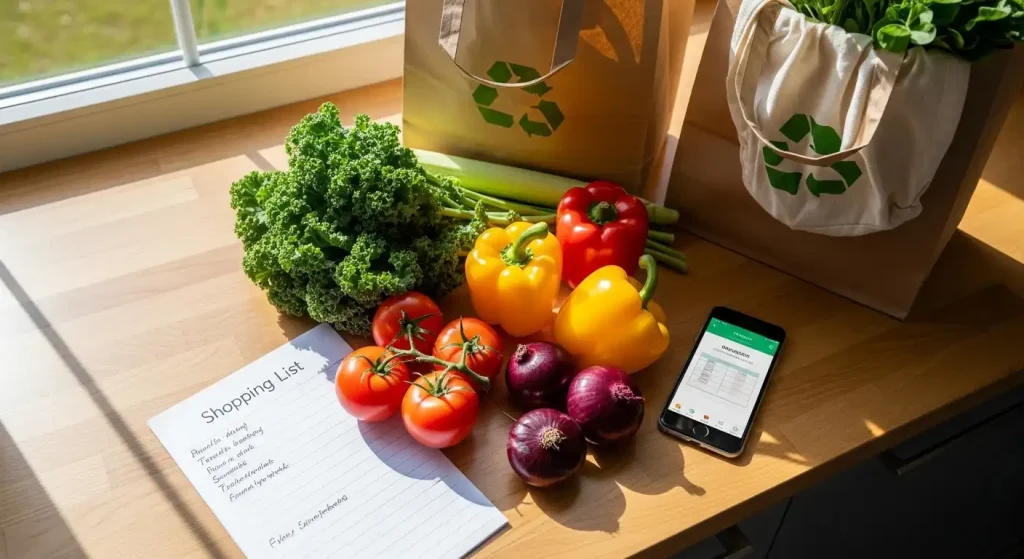
Shop with a List and Stick to It
Your shopping list is your best defense against overspending. Studies show that shoppers who use lists spend 23% less than those who don’t. Write your list organized by store section to minimize wandering and temptation—both enemies when you’re trying to save money on groceries.
Choose the Right Shopping Time
Shopping when you’re hungry is a classic mistake that leads to impulse buys. Always eat before heading to the store. Additionally, shopping during off-peak hours means shorter lines and more time to compare prices without feeling rushed.
Compare Unit Prices, Not Package Prices
The shelf tag shows both the item price and unit price (cost per ounce, pound, or count). Always compare unit prices between brands and package sizes. Sometimes the smaller package actually costs less per unit than the “value” size—learning this trick is essential for reducing your grocery bill effectively.
Buy Store Brands
Generic or store-brand products typically cost 20-30% less than name brands while often being manufactured in the same facilities with identical quality. Start with staples like flour, sugar, canned goods, and pasta. These grocery savings strategies can save you $50-100 monthly without any sacrifice in quality.
Healthy Breakfast Ideas to Support Weight Loss: 15 Delicious Options
Strategic Purchasing Decisions That Save Money
Buy in Bulk Wisely
Warehouse stores and bulk sections offer significant savings, but only when done strategically. Focus on non-perishable items you use regularly: rice, beans, pasta, oats, and household supplies. Avoid bulk buying fresh produce unless you have a concrete plan to use or preserve it.
Here’s a quick reference for best bulk purchases:
| Always Buy in Bulk | Sometimes Buy in Bulk | Avoid Buying in Bulk |
|---|---|---|
| Rice, pasta, oats | Meat (if you’ll freeze immediately) | Fresh herbs |
| Canned goods | Cheese (can be frozen) | Baked goods |
| Cleaning supplies | Frozen vegetables | Fresh produce (unless preserving) |
| Paper products | Nuts and seeds | Spices (lose potency over time) |
| Dried beans and lentils | Coffee beans | Condiments (unless used frequently) |
Embrace Seasonal Produce
Fruits and vegetables cost significantly less when they’re in season locally. Strawberries in June cost a fraction of what they do in January. Learning seasonal eating patterns is a powerful food budget tip that also delivers better flavor and nutrition. Buy extra when prices are low and freeze or preserve for later months.
Choose Cheaper Protein Sources
Protein often represents the largest portion of your grocery budget. These cheap grocery shopping alternatives provide excellent nutrition at lower costs:
- Eggs (one of the most affordable complete proteins)
- Canned tuna and salmon
- Dried beans and lentils
- Whole chickens (cheaper than parts and you can make stock from bones)
- Ground turkey instead of ground beef
- Tofu and tempeh
Rotating these proteins throughout your week helps you save money on groceries without eliminating variety from your diet.
Avoid Pre-Cut and Convenience Items
Pre-washed salads, pre-cut vegetables, and pre-marinated meats carry significant convenience markups—sometimes 200-300% more than whole versions. Investing 10-15 minutes in basic food prep saves substantial money. Buy whole vegetables, wash your own lettuce, and portion your own snacks.
Preventing and Recovering from Burnout at Work: Your Complete Guide.
Coupon and Rewards Strategies
Use Digital Coupons and Apps
Modern grocery savings strategies leverage technology. Download your grocery store’s app and clip digital coupons before shopping. Apps like Ibotta, Fetch Rewards, and Checkout 51 offer cash back on purchases you’re already making. These small rebates add up to $20-50 monthly in savings.
Stack Deals for Maximum Savings
The real magic happens when you combine strategies: use a store sale, apply a manufacturer coupon, and earn cash-back rewards on the same item. This “stacking” approach can reduce costs by 50-70% on select items. Focus stacking on non-perishable staples you’ll definitely use.
Join Store Loyalty Programs
Most grocery chains offer free loyalty programs with exclusive discounts, personalized coupons based on your shopping history, and fuel rewards. These programs require no effort beyond scanning your card and typically save members 10-15% compared to non-members.
Stress Management Techniques for a Busy Lifestyle
Reduce Food Waste to Maximize Your Budget
Approximately 30-40% of the food supply in America goes to waste, representing hundreds of dollars annually for the average household. Learning to reduce grocery bill expenses includes preventing waste.
Proper Food Storage
Understanding optimal storage extends shelf life dramatically. Herbs last longer in water like flowers. Greens stay crisp wrapped in damp paper towels. Bread freezes beautifully. These simple techniques prevent premature spoilage.
First In, First Out (FIFO) System
Organize your refrigerator and pantry so older items are in front. When unpacking groceries, move older items forward and put new purchases behind them. This restaurant technique ensures nothing expires forgotten in the back.
Embrace Leftovers Creatively
Leftovers shouldn’t mean eating the same meal repeatedly. Transform yesterday’s roast chicken into today’s chicken salad or quesadillas. Last night’s vegetables become tomorrow’s frittata or soup. This mindset shift is essential for meal planning on a budget.
Use Your Freezer Strategically
Your freezer is a powerful tool when you’re trying to save money on groceries. Freeze bread, dairy products (yes, even milk and cheese), cooked grains, and extra portions of meals. Freeze fruit before it goes bad for smoothies. These grocery shopping tips extend your purchasing power significantly.
Sleep Hygiene: Tips for Falling Asleep Faster
Additional Money-Saving Techniques
Grow Your Own Herbs and Vegetables
Even a small windowsill garden can produce fresh herbs that cost $3-5 per package at stores. A modest backyard garden yields hundreds of dollars worth of produce. Start small with easy crops like lettuce, tomatoes, and peppers.
Consider Different Store Formats
Don’t limit yourself to traditional supermarkets. Explore ethnic markets for affordable produce and specialty ingredients, discount grocers like Aldi or Lidl for everyday staples, and farmer’s markets near closing time for reduced-price produce. Diversifying where you shop reveals new food budget tips and savings opportunities.
Buy Imperfect Produce
Many stores now offer “ugly” or imperfect produce at significant discounts. These fruits and vegetables are cosmetically flawed but nutritionally identical. Some areas also have specialty services delivering imperfect produce boxes at 30-50% below retail prices.
Limit Shopping Trips
Each store visit increases temptation for unplanned purchases. Consolidate shopping to once or twice weekly. Not only will this approach help reduce your grocery bill, but it also saves time and reduces the mental load of constant shopping.
Gut Health: Best Foods for a Balanced Microbiome
FAQ: Saving Money on Your Grocery Budget
How much can I realistically save on groceries each month?
Most households can reduce their grocery bill by 20-30% through strategic shopping and meal planning. For a family spending $800 monthly, this means $160-240 in savings. Individual results vary based on current habits—those who currently shop without lists or planning often see even larger reductions when implementing these grocery savings strategies consistently.
What are the best days to buy groceries for savings?
Wednesday and Thursday typically offer the best deals because stores release new sales while honoring the previous week’s promotions, creating overlap opportunities. Additionally, shopping early morning often means access to markdowns on items nearing their sell-by dates. However, the most important factor in learning how to save money on groceries is shopping when you’re well-fed and have time to compare prices, regardless of the day.
Is buying organic worth it when trying to save money on groceries?
Buying organic for everything significantly increases costs, but you can balance health priorities with your food budget. Follow the “Dirty Dozen” guideline—buy organic for produce with high pesticide residues (strawberries, spinach, apples) and save money choosing conventional versions of the “Clean Fifteen” (avocados, corn, pineapple). This targeted approach to cheap grocery shopping maintains health benefits while controlling costs.
How to Boost Your Immune System Naturally: Proven Strategies That Work
Start Saving on Your Grocery Bill Today
Learning how to save money on groceries doesn’t require extreme measures or sacrificing the foods you love. By implementing even a few of these grocery shopping tips—meal planning, comparing unit prices, buying store brands, and reducing waste—you’ll notice immediate savings that compound over time.
Start with the strategies that feel most manageable for your lifestyle. Maybe this week you’ll focus on meal planning and making a detailed list. Next week, you might explore your store’s app for digital coupons. Small, consistent changes create lasting financial impact without overwhelming your routine.
Remember, every dollar you save on groceries is a dollar available for other financial goals—whether that’s building an emergency fund, paying down debt, or saving for something special.