
Struggling to fall asleep at night is one of the most frustrating experiences. You lie in bed, watching the clock tick away precious hours, knowing tomorrow will be exhausting. The good news? Mastering sleep hygiene can transform your nights and help you discover how to fall asleep faster naturally.
Sleep hygiene refers to the habits, behaviors, and environmental factors that promote consistent, quality sleep. By implementing proven sleep hygiene tips, you can train your body to transition smoothly into restful slumber. This comprehensive guide explores actionable strategies that work, backed by sleep science and expert recommendations.
Gut Health: Best Foods for a Balanced Microbiome
Understanding Sleep Hygiene and Why It Matters
Quality sleep isn’t just about quantity—it’s about creating the right conditions for your body and mind to rest effectively. Poor sleep hygiene disrupts your circadian rhythm, making it progressively harder to fall asleep faster over time. When you optimize your sleep environment and establish better sleep habits, you’re essentially retraining your brain to recognize and respond to sleep cues.
Research shows that adults who practice good sleep hygiene experience deeper sleep cycles, wake fewer times during the night, and feel more refreshed in the morning. The investment you make in improving these habits pays dividends in energy, mood, and overall health.
Creating the Perfect Sleep Environment
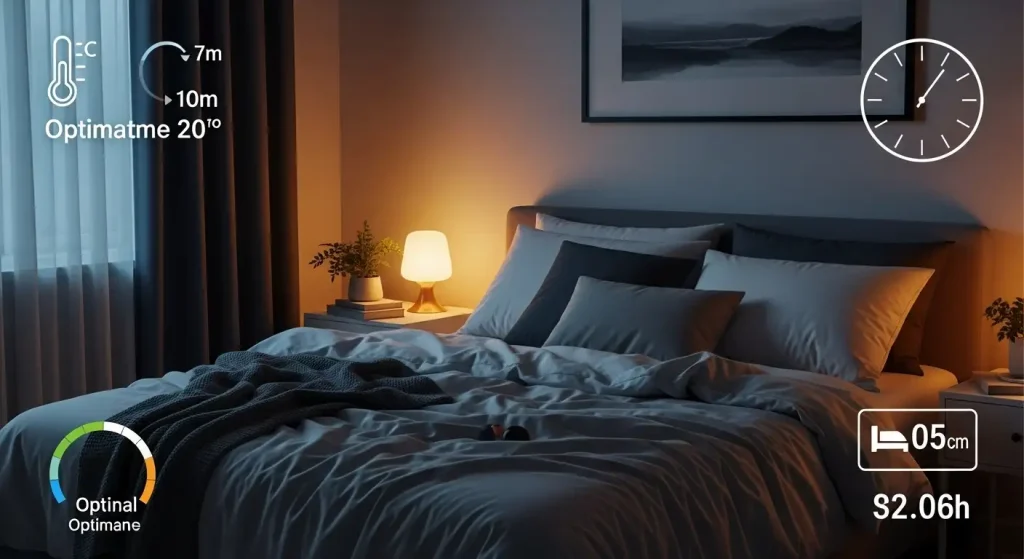
Your bedroom environment plays a crucial role in determining how quickly you drift off. Optimizing your space is one of the most effective sleep hygiene tips you can implement immediately.
Temperature Control for Better Sleep
Keep your bedroom cool, ideally between 60-67°F (15-19°C). A cooler room facilitates the natural drop in body temperature that signals sleep time. This simple adjustment can help you fall asleep faster by supporting your body’s natural sleep mechanisms.
How to Boost Your Immune System Naturally: Proven Strategies for Better Health
Darkness and Light Management
Eliminate all light sources in your bedroom. Even small amounts of light from electronic devices can suppress melatonin production, the hormone that regulates sleep. Use blackout curtains, cover LED displays, and consider wearing a sleep mask if complete darkness isn’t achievable. Proper light management is essential for establishing better sleep habits.
Noise Reduction Strategies
Create a quiet sanctuary or use white noise machines to mask disruptive sounds. Consistent ambient noise can actually improve sleep quality by preventing sudden sound changes that might wake you. Many people find that white noise or nature sounds help them fall asleep faster.
Optimize Your Bedding
Invest in a comfortable mattress, supportive pillows, and breathable bedding materials. Your physical comfort directly impacts how quickly you can relax. Quality bedding is a cornerstone of good sleep hygiene that shouldn’t be overlooked.
Establishing a Consistent Bedtime Routine for Adults
A predictable pre-sleep routine signals your brain that it’s time to wind down. This conditioning is one of the most powerful sleep hygiene tips for falling asleep faster.
How to Boost Your Immune System Naturally: Proven Strategies That Work
Set a Regular Sleep Schedule
Go to bed and wake up at the same time every day, even on weekends. This consistency strengthens your circadian rhythm and makes falling asleep faster more automatic. Your body thrives on predictability when it comes to better sleep habits.
Create a 30-60 Minute Wind-Down Period
Begin relaxing activities 30-60 minutes before bedtime. This transition period is crucial for your bedtime routine for adults. During this time, engage in calming activities that signal sleep is approaching.
Progressive Relaxation Techniques
Practice deep breathing exercises, gentle stretching, or progressive muscle relaxation. The 4-7-8 breathing method—inhaling for 4 counts, holding for 7, and exhaling for 8—is particularly effective for reducing anxiety and helping you fall asleep faster.
Warm Bath or Shower Benefits
Taking a warm bath or shower 60-90 minutes before bed triggers a temperature drop afterward that promotes sleepiness. This temperature regulation is a natural way to improve sleep quality and align with your body’s sleep preparation process.
Natural Remedies for Seasonal Allergies: What Works?
Screen Time and Blue Light Management
Digital devices are among the biggest obstacles to good sleep hygiene. The blue light emitted by phones, tablets, and computers suppresses melatonin production, making it significantly harder to fall asleep faster.
The 30-60 Minute Rule
Avoid all screens at least 30-60 minutes before bedtime. This means no scrolling through social media, watching videos, or checking emails. Instead, choose activities that support better sleep habits like reading a physical book or journaling.
Blue Light Blocking Solutions
If you must use devices in the evening, enable night mode settings or wear blue light blocking glasses. While not perfect solutions, these adjustments minimize the sleep-disrupting effects of screen time.
Essential Home Cybersecurity Tips for Everyone
Dietary Habits That Support Sleep Hygiene
What you consume—and when—significantly impacts your ability to fall asleep faster. Smart dietary choices are essential sleep hygiene tips that many people overlook.
Caffeine Cutoff Times
Avoid caffeine at least 6-8 hours before bedtime. Caffeine’s half-life means it stays in your system longer than most people realize, continuing to stimulate your nervous system when you’re trying to sleep. This simple change can dramatically improve sleep quality.
Alcohol and Sleep Quality
While alcohol may help you feel drowsy initially, it disrupts sleep cycles and reduces sleep quality throughout the night. Limiting alcohol consumption, especially in the evening, supports better sleep habits.
Timing Your Evening Meals
Finish heavy meals at least 2-3 hours before bed. Large meals require significant digestive effort that can interfere with sleep onset. If you’re hungry before bed, choose a light snack like bananas or yogurt.
Sleep-Promoting Foods
Incorporate foods rich in tryptophan, magnesium, and melatonin into your evening routine. Turkey, nuts, tart cherry juice, and whole grains naturally support your body’s sleep mechanisms and help you fall asleep faster.
How to Secure Your Home Wi-Fi Network: Complete Guide
Physical Activity and Exercise Timing
Regular exercise is one of the most effective natural sleep remedies, but timing matters when establishing better sleep habits.
Daytime Exercise Benefits
Engage in moderate aerobic activity during the day to improve sleep quality at night. Exercise reduces stress, tires your body, and regulates circadian rhythms. Even 20-30 minutes of daily activity can help you fall asleep faster.
Evening Exercise Considerations
Avoid vigorous exercise within 3-4 hours of bedtime. Intense workouts elevate heart rate and body temperature, making it harder to transition into sleep mode. If evening is your only exercise window, choose gentle activities like yoga or walking.
Managing Stress and Racing Thoughts
Mental activity is often the biggest barrier to falling asleep. Implementing stress management techniques is crucial for comprehensive sleep hygiene.
Journaling for Sleep
Write down worries, to-do lists, or thoughts before bed. This “brain dump” clears your mind and prevents rumination. Many people find this practice essential for their bedtime routine for adults.
Meditation and Mindfulness
Practice mindfulness meditation to quiet mental chatter. Even 5-10 minutes of focused breathing or guided meditation can calm your nervous system and prepare you for sleep.
The Cognitive Shuffle Technique
If your mind races when you lie down, try the cognitive shuffle: visualize random, unrelated objects or scenes. This occupies your mind without engaging it emotionally, helping you fall asleep faster.
What to Do When You Can’t Sleep
Despite best efforts, sometimes sleep remains elusive. Knowing how to respond is an important sleep hygiene tip.
If you haven’t fallen asleep within 20-30 minutes, get out of bed. Move to another room and engage in a quiet, non-stimulating activity like reading under dim light. Return to bed only when you feel sleepy. This prevents your brain from associating your bed with wakefulness.
Frequently Asked Questions
What are the most effective sleep hygiene tips for falling asleep faster?
The most effective sleep hygiene tips include maintaining a consistent sleep schedule, creating a dark and cool bedroom environment, avoiding screens 30-60 minutes before bed, and establishing a relaxing bedtime routine for adults. Additionally, limiting caffeine after 2 PM, getting regular daytime exercise, and managing stress through meditation or journaling can significantly help you fall asleep faster. Combining multiple strategies produces the best results for better sleep habits.
How long does it take to see results from improved sleep hygiene?
Most people notice improvements in their ability to fall asleep faster within 1-2 weeks of consistently practicing good sleep hygiene tips. However, establishing truly better sleep habits typically requires 4-6 weeks of commitment. Your circadian rhythm needs time to adjust to new patterns. Be patient and consistent with your bedtime routine for adults, and you’ll gradually experience deeper, more restorative sleep and improved sleep quality.
Can sleep hygiene alone cure insomnia?
While excellent sleep hygiene is foundational for anyone learning how to fall asleep faster, chronic insomnia may require professional intervention. Sleep hygiene tips are often the first line of treatment and can resolve mild to moderate sleep difficulties. However, if you’ve practiced good sleep hygiene consistently for several weeks without improvement, consult a healthcare provider. They may recommend cognitive behavioral therapy for insomnia (CBT-I) or investigate underlying medical conditions affecting your sleep.
Transform Your Nights Starting Tonight
Mastering sleep hygiene isn’t about perfection—it’s about progress. Start by implementing two or three sleep hygiene tips that resonate most with you, then gradually add more as these become habitual. The cumulative effect of better sleep habits will transform not just your nights, but your days as well.
Your journey to falling asleep faster and enjoying restorative sleep begins with a single decision to prioritize your rest. Take action tonight and experience the difference quality sleep makes.
Disclaimer: This article provides general information about sleep hygiene and is not intended as medical advice. If you experience chronic sleep problems or suspect a sleep disorder, consult with a healthcare professional or sleep specialist for proper evaluation and treatment.