
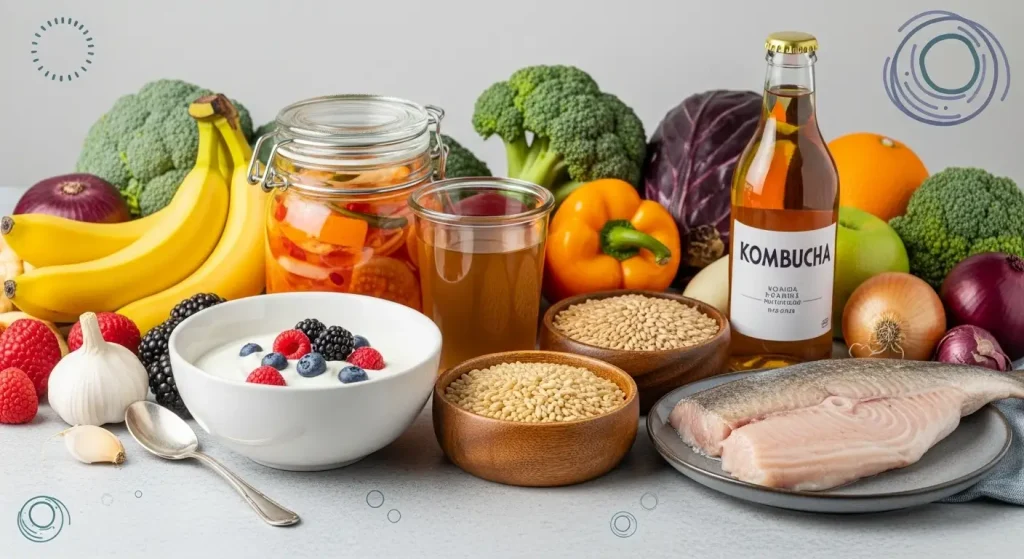
Your gut microbiome is home to trillions of bacteria that influence everything from digestion and immunity to mental health and weight management. Understanding which foods support this complex ecosystem is essential for achieving optimal wellness. This comprehensive guide explores the best foods for gut health and how they work to create a balanced microbiome.
The connection between diet and gut health has become increasingly clear through recent research. By making strategic food choices, you can nurture beneficial bacteria while promoting digestive wellness and overall vitality.
How to Boost Your Immune System Naturally: Proven Strategies for Better Health
Understanding Your Gut Microbiome
Your gut microbiome consists of diverse microorganisms living in your digestive tract. These bacteria, fungi, and other microbes perform crucial functions including nutrient absorption, immune system regulation, and neurotransmitter production. When your microbiome is balanced, you experience better digestion, stronger immunity, and improved mental clarity.
Maintaining gut health requires feeding beneficial bacteria with the right nutrients while avoiding foods that promote harmful bacterial overgrowth. The foods you consume directly shape your microbial community, making nutrition the cornerstone of digestive wellness.
Top Probiotic Foods for a Healthy Gut
Probiotic foods contain live beneficial bacteria that directly populate your gut microbiome. Including these fermented foods for gut health in your daily diet can significantly improve digestive function.
How to Boost Your Immune System Naturally: Proven Strategies That Work
Yogurt with Live Cultures
Plain yogurt with active cultures is one of the most accessible probiotic foods. Look for labels indicating “live and active cultures” to ensure you’re getting beneficial bacteria. Greek yogurt provides additional protein while delivering gut-friendly microorganisms that support balanced microbiome function.
Kefir: The Probiotic Powerhouse
Kefir is a fermented milk drink containing more diverse bacterial strains than yogurt. This tangy beverage is among the best foods for gut health, providing multiple probiotic species that colonize your digestive tract. One cup of kefir daily can significantly enhance microbial diversity.
Sauerkraut and Fermented Vegetables
Raw, unpasteurized sauerkraut delivers beneficial bacteria along with prebiotic fiber from cabbage. These fermented foods for gut health provide both probiotics and the fiber needed to feed them, creating an ideal environment for a balanced microbiome. Kimchi offers similar benefits with added nutritional variety.
Kombucha Tea
This fermented tea beverage contains beneficial bacteria and organic acids that support gut health. Kombucha’s natural fermentation process creates probiotics while offering a refreshing alternative to sugary drinks. Choose varieties with minimal added sugar for maximum gut health benefits.
Natural Remedies for Seasonal Allergies: What Works?
Essential Prebiotic Fiber Foods
While probiotics introduce beneficial bacteria, prebiotic fiber foods nourish existing gut microbes. These plant-based compounds resist digestion in the small intestine, reaching the colon where they feed your microbiome.
Whole Grains and Resistant Starch
Oats, barley, and brown rice contain resistant starch and beta-glucan fiber that promote beneficial bacterial growth. Whole grains are excellent foods for gut health because they provide sustained fuel for your microbiome. Including at least three servings of whole grains daily supports digestive wellness.
Legumes and Beans
Lentils, chickpeas, and black beans are packed with prebiotic fiber that feeds gut bacteria. These affordable, versatile foods help maintain a balanced microbiome while providing plant-based protein. The fiber in legumes supports beneficial bacterial species associated with better metabolic health.
Garlic and Onions
Allium vegetables like garlic and onions contain inulin, a powerful prebiotic fiber. These aromatic foods for gut health encourage the growth of Bifidobacteria, a beneficial bacterial genus. Adding these ingredients to your cooking provides both flavor and microbiome support.
Bananas and Resistant Starch
Slightly green bananas contain resistant starch that bypasses digestion to feed colon bacteria. This makes them ideal foods for improving gut health naturally. As bananas ripen, their starch content changes, but they remain valuable sources of prebiotic fiber.
10 Morning Yoga Poses to Reduce Back Pain: Start Your Day Pain-Free
Polyphenol-Rich Foods That Support Microbiome Balance
Polyphenols are plant compounds that benefit your gut microbiome by promoting beneficial bacteria while inhibiting harmful species. These compounds are found in colorful fruits and vegetables.
Berries and Dark Fruits
Blueberries, blackberries, and cherries contain anthocyanins that support gut bacteria diversity. These antioxidant-rich fruits are among the best foods for gut health, encouraging the growth of beneficial bacterial strains while reducing inflammation.
Dark Chocolate and Cocoa
High-quality dark chocolate with at least 70% cocoa content provides polyphenols that feed beneficial gut bacteria. Moderate consumption of dark chocolate can enhance microbial diversity, making it a delicious way to improve gut health naturally.
Green Tea
Regular green tea consumption supports a balanced microbiome through catechin polyphenols. These compounds promote beneficial bacteria while offering anti-inflammatory benefits throughout the digestive tract.
Language Learning Tips: Expert Strategies for Mastering Any Language Fast
Omega-3 Rich Foods for Gut Health
Fatty fish and plant-based omega-3 sources reduce gut inflammation while promoting bacterial diversity. Salmon, sardines, and mackerel provide EPA and DHA that support the gut lining and reduce inflammatory responses associated with microbiome imbalance.
Flaxseeds and chia seeds offer plant-based omega-3s along with soluble fiber, making them dual-action foods for gut health. Ground flaxseed is particularly beneficial as it’s more easily digested, allowing better nutrient absorption.
Creating a Gut-Healthy Meal Plan
Building meals around diverse, whole foods ensures your microbiome receives varied nutrients. Aim to include fermented foods for gut health at least once daily, combined with plenty of prebiotic fiber from vegetables, whole grains, and legumes.
A simple day might include:
- Breakfast: Greek yogurt with berries and ground flaxseed
- Lunch: Lentil soup with garlic and whole grain bread
- Dinner: Grilled salmon with roasted vegetables and brown rice
- Snacks: Kombucha, dark chocolate, or raw sauerkraut
This variety provides probiotics, prebiotics, polyphenols, and omega-3s that work synergistically to maintain a balanced microbiome.
Effective Study Techniques and Productivity Tips for Academic Success
Foods to Limit for Better Gut Health
While focusing on beneficial foods is essential, avoiding gut-disrupting options is equally important. Highly processed foods, artificial sweeteners, and excessive sugar can harm your microbiome by promoting inflammatory bacteria.
Reduce consumption of refined carbohydrates, trans fats, and foods high in additives. These items disrupt microbial balance and can lead to digestive discomfort. Instead, prioritize whole, minimally processed foods for gut health.
Lifestyle Factors That Support Gut Health
Beyond diet, several lifestyle practices enhance microbiome balance. Regular physical activity increases bacterial diversity, while adequate sleep supports gut barrier function. Managing stress through meditation or yoga prevents stress-related gut disruption.
Stay hydrated with water rather than sugary beverages, as proper hydration supports mucus production that protects your gut lining. These habits complement your dietary efforts to improve gut health naturally.
How to Build an Emergency Fund Quickly: 8 Proven Strategies
Frequently Asked Questions
What are the best foods for gut health to eat daily?
The best foods for gut health to consume daily include yogurt with live cultures, fermented vegetables like sauerkraut, whole grains such as oats, legumes, garlic, onions, and colorful fruits and vegetables. These provide probiotics, prebiotic fiber, and polyphenols that maintain a balanced microbiome. Aim for diversity by rotating different gut health foods throughout the week to support various beneficial bacterial species.
How long does it take to improve gut health with food?
Improving gut health through dietary changes typically shows initial benefits within two to four weeks of consistently consuming probiotic foods and prebiotic fiber. However, achieving a fully balanced microbiome may take three to six months of sustained healthy eating. The timeline varies based on your starting microbiome composition, overall diet quality, and lifestyle factors. Consistency with fermented foods for gut health and high-fiber options produces the best long-term results.
Can you balance your microbiome naturally without supplements?
Yes, you can achieve a balanced microbiome through food alone by regularly consuming diverse probiotic foods, prebiotic fiber sources, and polyphenol-rich options. The best foods for gut health provide everything your microbiome needs when consumed consistently. Focus on eating fermented foods daily, plenty of vegetables and whole grains, and limiting processed items. This natural approach often proves more effective than supplements because whole foods provide multiple beneficial compounds that work together to improve gut health naturally.
Essential Tips for Negotiating a Salary Increase: Expert Guide
Take Control of Your Gut Health Today
Your journey to a balanced microbiome starts with your next meal. By incorporating these gut health foods into your daily routine, you’re investing in better digestion, stronger immunity, and improved overall wellness.
Ready to optimize your gut health journey? Explore premium probiotic supplements and digestive support products [insert affiliate link here] to complement your microbiome-friendly diet.
Disclaimer: This article provides general information about gut health and nutrition. It is not intended as medical advice. Consult with a healthcare professional or registered dietitian before making significant dietary changes, especially if you have existing digestive conditions or food sensitivities.