
Introduction
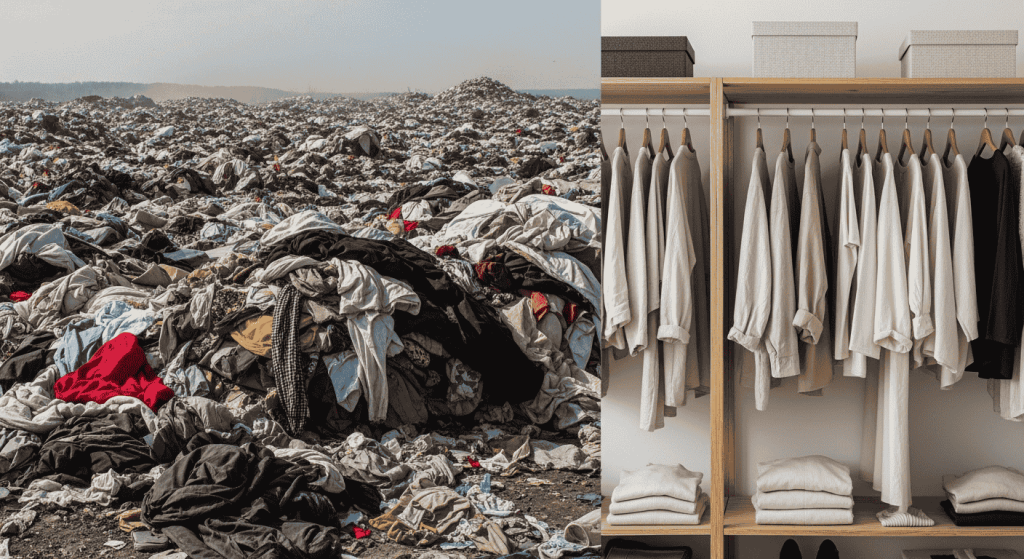
The fast fashion industry has transformed the way we shop, making trendy clothing accessible at low prices. But behind the glossy storefronts lies a trail of environmental destruction, exploitative labor practices, and mountains of fashion waste.
As sustainable fashion and slow fashion movements gain traction, the question arises: should we ditch fast fashion altogether?
What Is Fast Fashion and Why Is It Controversial?
Fast fashion refers to inexpensive, trendy clothing produced at breakneck speed to meet changing consumer demand.
While this business model keeps wardrobes fresh, it has significant downsides:
-
Environmental damage: Textile dyeing is the second-largest polluter of water worldwide.
-
Fashion waste: Millions of tons of garments end up in landfills each year.
-
Exploitation: Low-cost production often depends on underpaid labor in unsafe conditions.
-
Overconsumption: Rapid trends encourage unnecessary buying and waste.
Plant-Based Protein Revolution: Fueling Health & Sustainability
The Case for Sustainable and Slow Fashion
What Is Sustainable Fashion?
Sustainable fashion focuses on reducing environmental impact by using eco-friendly materials, ethical production, and designs made to last.
Examples include organic cotton, recycled fabrics, and biodegradable packaging.
Why Slow Fashion Matters
Slow fashion promotes quality over quantity, encouraging consumers to buy fewer, higher-quality pieces that stand the test of time.
Benefits of sustainable and slow fashion:
-
Reduced fashion waste
-
Support for ethical fashion brands
-
Lower carbon footprint
-
Preservation of natural resources
Workplace Burnout & Mental Health Support: A Modern Guide to Thriving at Work
Why We Should Consider Ditching Fast Fashion
| Reason | Impact |
|---|---|
| Environmental Harm | Textile production is responsible for 10% of global carbon emissions. |
| Waste Crisis | Over 92 million tons of clothing are discarded annually. |
| Ethical Concerns | Sweatshop labor and unsafe conditions persist in supply chains. |
| Consumer Responsibility | Every purchase is a vote for the kind of world we want. |
The data suggests that if we ditch fast fashion, we can significantly reduce fashion waste and support eco-friendly fashion initiatives.
Top 7 Anti-Inflammatory Foods That Fight Disease
Steps to Transition Away from Fast Fashion
-
Buy Less, Choose Better – Invest in timeless pieces from ethical fashion brands.
-
Embrace Slow Fashion – Build a capsule wardrobe with high-quality, versatile garments.
-
Shop Second-Hand – Thrift stores and resale apps reduce demand for new production.
-
Repair and Upcycle – Extend clothing life through simple repairs or creative redesign.
-
Support Sustainable Fashion Brands – Look for certifications like Fair Trade or GOTS.
Challenges in Ditching Fast Fashion
While the benefits are clear, there are real challenges:
-
Affordability: Sustainable fashion often costs more upfront.
-
Accessibility: Ethical brands may not be available in all regions.
-
Habit Change: Breaking the cycle of impulse buying takes time.
Still, awareness and small changes can collectively make a huge impact.
The Benefits of Drinking Warm Lemon Water Every Morning
FAQ
1. Why is fast fashion harmful?
Fast fashion contributes to fashion waste, pollution, and unethical labor practices. It encourages overconsumption and harms both people and the planet.
2. Is slow fashion more expensive?
Yes, slow fashion usually has higher upfront costs because it uses eco-friendly fashion materials and fair wages, but garments last much longer.
3. How can I start shopping more ethically?
Begin by reducing purchases, supporting sustainable fashion brands, buying second-hand, and repairing your clothes instead of discarding them.


