Introduction: Why Debt Reduction and Budget Planning Matter
In today’s fast-paced financial world, mastering debt reduction and budget planning is no longer optional—it’s essential. Whether you’re drowning in credit card debt or simply trying to create a smarter financial plan, understanding how to manage your money can set you free.
The truth is, most financial stress stems from a lack of control. But with the right approach to budgeting and debt repayment, you can reclaim your peace of mind, build wealth, and secure your future.
What Is Debt Reduction?
Debt reduction refers to any strategy aimed at minimizing or eliminating outstanding financial obligations, such as:
Credit card debt
Student loans
Personal loans
Medical bills
By developing a debt repayment plan, you reduce the total amount you owe while also improving your credit score and financial health.
Medical Robotics: Transforming Healthcare with Precision
What Is Budget Planning?
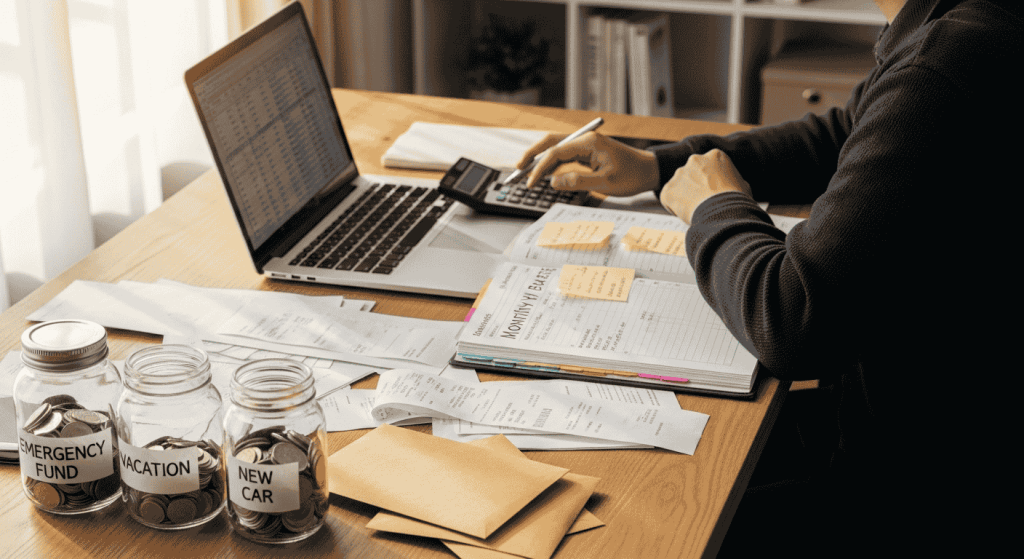
Budget planning is the process of allocating your income toward essential expenses, savings, and debt payments. A good budget gives you visibility over your finances and helps you avoid overspending.
Key Elements of a Budget Plan:
| Category | Recommended % of Income |
|---|---|
| Housing | 25–30% |
| Transportation | 10–15% |
| Food & Groceries | 10–15% |
| Debt Repayment | 10–20% |
| Savings & Emergency | 10–15% |
| Entertainment | 5–10% |
Top Debt Reduction Strategies That Work
🧾 1. Snowball Method
Pay off your smallest debts first to build momentum. Once a debt is paid, roll that payment into the next smallest debt.
Why it works: Builds motivation by showing quick wins.
💳 2. Avalanche Method
Focus on paying off debts with the highest interest rate first. This method saves the most money in the long run.
Why it works: Reduces the amount of interest paid over time.
🏦 3. Consolidate Your Debt
Use a debt consolidation loan to combine multiple debts into one payment with a lower interest rate.
Why it works: Simplifies your payments and reduces interest.
The Rise of the Tip-Based Creator Economy in 2025
How to Create a Budget That Supports Debt Reduction
📅 Step-by-Step Budget Planning Process
Track Your Income & Expenses
Use apps or spreadsheets to list your sources of income and monthly expenses.Categorize Your Spending
Divide expenses into fixed (e.g., rent, car payment) and variable (e.g., groceries, dining).Set Financial Goals
Prioritize short-term goals (like paying off credit cards) and long-term goals (like saving for a home).Cut Unnecessary Spending
Identify where you can save—subscriptions, impulse buys, dining out—and redirect those funds to debt repayment.Automate Your Savings and Payments
Set up automatic transfers to savings and automatic payments for bills.
Budgeting Tools & Resources
Here are some free and paid tools to help you succeed in budget planning and debt reduction:
YNAB (You Need A Budget)
Mint
EveryDollar
Personal Capital
GoodBudget
Best Study Techniques for Students: Boost Learning
FAQ: Debt Reduction & Budget Planning
❓ How do I start a debt repayment plan?
Start by listing all your debts, their balances, and interest rates. Choose a strategy like the snowball or avalanche method, then commit to a monthly repayment goal.
❓ What’s the best budgeting method for beginners?
The 50/30/20 rule is a simple method:
50% for needs
30% for wants
20% for savings/debt repayment
❓ Can budgeting help me get out of debt faster?
Absolutely. Budgeting shows you exactly where your money goes, so you can cut unnecessary expenses and accelerate debt reduction.
Easy & Healthy Recipes for Busy People
Final Thoughts: Take Charge of Your Financial Future
Effective debt reduction and budget planning don’t require drastic lifestyle changes—just small, consistent steps. By building a budget and sticking to a debt repayment plan, you can eliminate financial stress and achieve real peace of mind.